Note: the actions, contraindications and usage sections are currently published in Arabic (primary market content); translations are in progress. Herb name, nature, taste and meridians are shown as is.
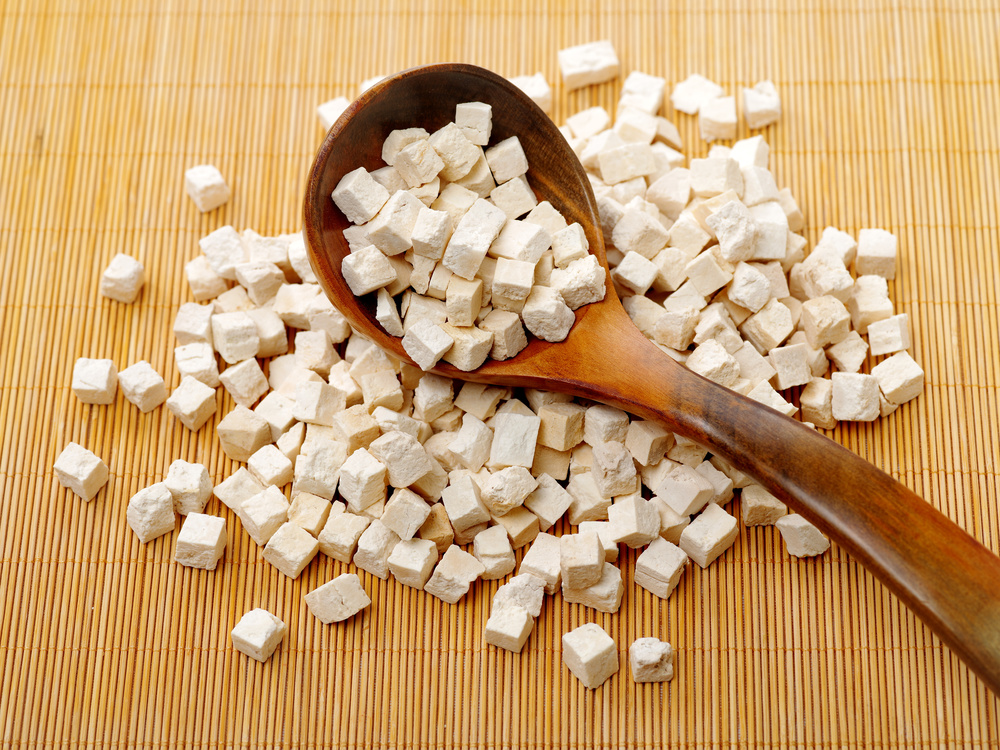
Fu Ling
茯苓 Fu Ling
Poria
💊 Actions
Promotes diuresis and drains dampness, strengthens the spleen, calms the heart and spirit. Used for edema, urinary retention, and insomnia.
Contraindications
Contraindicated for patients with frequent urination due to cold. Do not use with vinegar.
📖 Usage & Dosage
Decoct 9-15 grams. The skin (outer layer) is stronger in promoting diuresis than the inner flesh.
📖 In-Depth Guide
What Is Fu Ling (Poria)?
Fu Ling is the dried sclerotium, a hard fungal mass, of Poria cocos, a fungus that grows around the roots of pine trees. In pharmaceutical Latin it is recorded simply as Poria, and in English it is called poria, China root, or sometimes the Chinese mushroom, although it is not an ordinary mushroom and grows underground rather than as a cap and stem.
The harvested sclerotium is cleaned, peeled, and cut into cubes or slices and then dried. The pieces are white or faintly pinkish, firm, and nearly tasteless, with only a faint sweetness. Both the inner flesh and the outer skin are used, but for different purposes. Fu Ling is one of the most common ingredients in classical Chinese formulas and is also ground into powder for traditional pastries and tonic foods.
TCM Properties and Actions
Fu Ling is neutral in nature and sweet and bland in flavor, entering the Heart, Spleen, and Kidney channels. In Chinese medicine, a bland flavor is associated with leaching out dampness and encouraging urination, while a neutral nature allows the herb to be combined widely.
Its recorded actions are to promote diuresis and drain dampness, strengthen the spleen, and calm the heart and spirit. It is used for edema, urinary retention, and insomnia. The dampness-draining action addresses water retention, heavy limbs, and uncomfortable urinary difficulty, while the spleen-strengthening action supports weak appetite, loose stools, and tiredness linked in this system to damp accumulation. Its spirit-calming action is directed at palpitations, anxiety, and insomnia understood as spleen deficiency with dampness or unsettled heart spirit. Because the action is gentle, it is traditionally considered suitable for weak and elderly patients when the pattern matches, without strongly depleting fluids.
Traditional Use and Common Combinations
Fu Ling appears in many famous formulas. It is paired with spleen tonics such as Bai Zhu and Dang Shen for weak digestion and loose stools, with warming herbs for cold-type dampness, and with calming herbs such as sour jujube seed for insomnia and palpitations. In food therapy, the powder is used in traditional pastries and congee, and the cubes are simmered in soups.
The outer skin, Fu Ling Pi, is used separately when promoting urination and reducing surface edema is the main goal, because the skin is considered stronger in promoting diuresis than the inner flesh. Urinary difficulty and edema can also signal kidney, heart, or liver disease and should be medically evaluated.
Safety, Contraindications, and Interactions
Fu Ling is contraindicated for patients with frequent urination due to cold. Do not use it with vinegar. The first warning applies to people who already pass large amounts of clear urine, particularly when this is accompanied by cold limbs and weakness; encouraging further urination in that pattern is considered harmful.
Because it promotes urination, people taking prescription diuretics or living with kidney disease should consult a qualified practitioner or physician to avoid compounding effects, even though the herb itself is considered gentle. Unexpected swelling, reduced urine, or urinary pain requires conventional assessment rather than self-treatment.
How TCM Practitioners Use It Today
The source usage is: Decoct 9-15 grams. The skin (outer layer) is stronger in promoting diuresis than the inner flesh. Practitioners choose the inner flesh for spleen-strengthening and calming formulas and the skin for edema and surface fluid retention, and they adjust the dose to the patient's fluid pattern. This guide is educational and does not replace diagnosis or treatment by a qualified practitioner or physician.
Frequently asked questions
Is Fu Ling safe during pregnancy?
The record gives no specific pregnancy recommendation. Because it promotes urination, pregnant women should ask a qualified practitioner or obstetric professional before using it medicinally, even though ordinary food amounts in soups are generally modest.
Can Fu Ling replace prescription medication?
No. Poria is a traditional dampness-draining and calming herb. It cannot replace prescribed diuretics or treatment for kidney, heart, or sleep disorders.
What is the difference between Fu Ling and Fu Ling Pi?
Fu Ling refers to the inner fungal flesh, which both drains dampness and strengthens the spleen and calms the spirit. Fu Ling Pi is the outer skin, used mainly to promote diuresis and reduce edema more strongly, with less tonifying action.
🏠 Poria / Chinese mushroom
Poria grows on pine roots. In the Middle East, medicinal fungi are not traditionally used, but this has begun to spread with the growing interest in alternative medicine.
💊 Formulas with this herb
🧭 Explore more
🌿 Related Herbs
Related conditions
Medical disclaimer: this content is for health education only and does not constitute diagnosis or treatment advice. Consult a qualified healthcare practitioner before use; some herbs may interact with medications and require special caution during pregnancy or breastfeeding.