Note: the actions, contraindications and usage sections are currently published in Arabic (primary market content); translations are in progress. Herb name, nature, taste and meridians are shown as is.
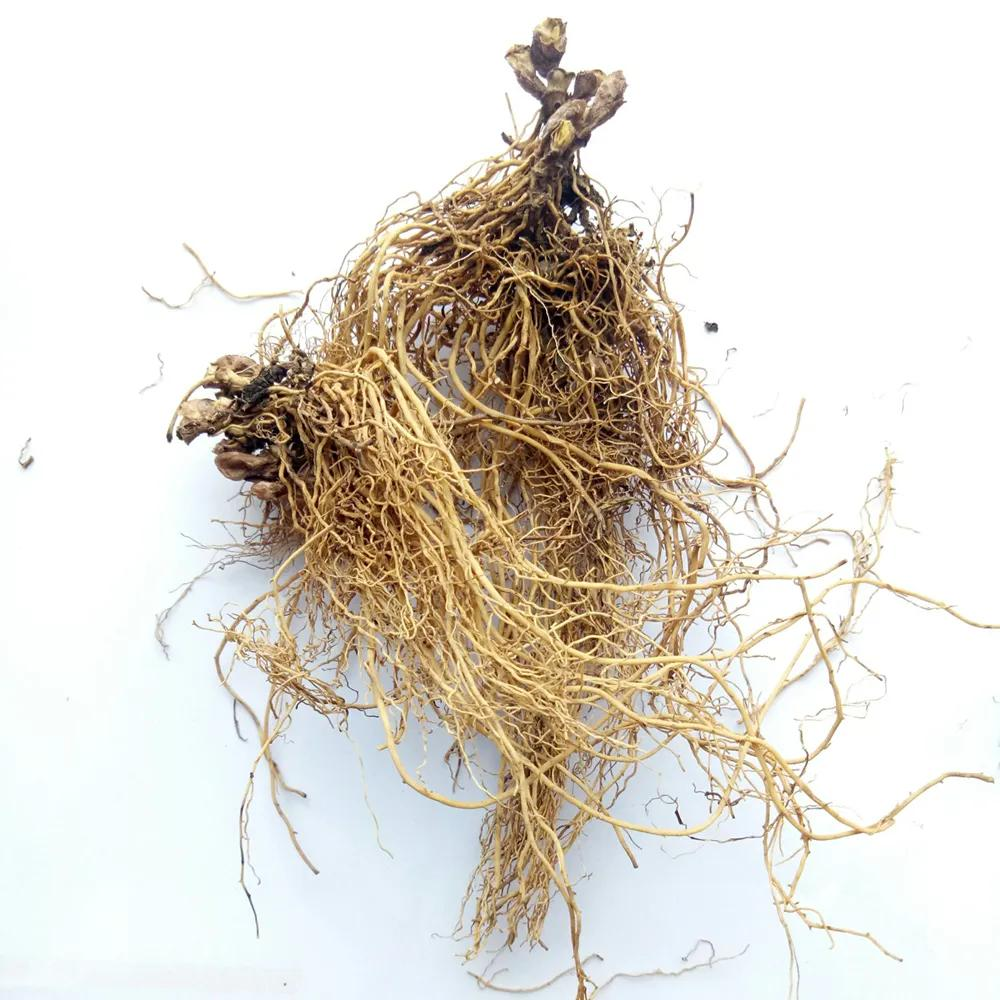
Xi Xin
细辛 Xi Xin
Asari Radix et Rhizoma
💊 Actions
Releases the exterior and disperses cold, expels wind and relieves pain, opens the orifices, warms the lung and transforms cold fluids. Used for wind-cold headache, nasal congestion and cold-fluid cough. Dose no more than 3 g.
Contraindications
Please use under the guidance of a physician
📖 Usage & Dosage
Decoct in water, 3-15g
📖 In-Depth Guide
What Is Xi Xin?
Xi Xin, known pharmaceutically as Asari Radix et Rhizoma, is the dried root and rhizome of Asarum species used in the Chinese pharmacopoeia. The slender, strongly aromatic roots are supplied in small bundles and have a very pungent taste. English sources generally call it asarum or wild ginger root, but it is not the culinary ginger and should never be gathered or used casually: Xi Xin is a toxic medicinal herb.
TCM Properties and Actions
Xi Xin is warm in nature and acrid in flavor, and it enters the lung, kidney, and heart channels. Its actions are to release the exterior and disperse cold, expel wind and relieve pain, open the orifices, and warm the lung to transform cold fluids.
Its exterior-releasing action is reserved for wind-cold patterns marked by severe headache, body pain, and a sense of deep cold rather than a mild cold. The pain-relieving action is particularly associated with cold-type headache, toothache, and joint pain in the traditional framework. Opening the orifices describes its use for deep nasal congestion with loss of smell and thick obstruction, paired with other nasal-opening herbs. Warming the lung and transforming cold fluids addresses a specific pattern of chronic cough and wheezing with profuse, clear, watery sputum that the traditional framework attributes to cold fluids lodging in the lung. A strict traditional safety ceiling applies: Dose no more than 3 g.
Traditional Use and Common Combinations
Xi Xin appears in carefully constructed classical formulas. For yang-deficiency cold with exterior symptoms, it is paired with Gan Jiang and Fu Zi in a classic warming formula. For cold-fluid cough with wheezing and clear sputum, it is combined with Gan Jiang, Wu Wei Zi, and Ban Xia in a small dragon-style formula. For persistent nasal blockage, it is used alongside Xin Yi (Magnoliae Flos), Bai Zhi, and Cang Er Zi in formulas that open the nasal passages. These are traditional, pattern-specific applications and are not substitutes for evaluation of headache, respiratory disease, or dental problems by a modern clinician.
Safety, Contraindications, and Interactions
Xi Xin has mild toxicity (it carries a traditional warning of small poison) and must be prescribed by a qualified physician; it must never be used on your own. The dosage is strictly controlled. Dose no more than 3 g. Even within a prescribed formula, exceeding the advised amount is dangerous. Pregnancy and breastfeeding call for particular caution, and the herb is avoided in these periods unless a specialist specifically directs otherwise. It is also inappropriate for heat-type patterns, including dry cough from yin deficiency, high fever, or red painful conditions. Anyone with heart rhythm problems, kidney or liver disease, or who takes regular medication should disclose this fully to the prescribing practitioner. Seek urgent medical help for nausea, vomiting, burning in the abdomen, numbness of the tongue or face, palpitations, or breathing difficulty after taking it. Do not gather wild plants, since asarum species and closely related plants are easily confused.
How TCM Practitioners Use It Today
When a practitioner judges Xi Xin appropriate, the standard usage is: Decoct in water, 3-15g, while the traditional safety ceiling is dose no more than 3 g; the prescribing physician reconciles these controls and sets the actual amount, which never exceeds the legal and clinical safety limit. Properly identified, processed, and dispensed material from a regulated pharmacy is essential. It is also available in prepared granules and classical formulas, always by prescription.
This information is for educational purposes only and is not a recommendation to self-treat. Medical advice from a licensed clinician should guide any health condition.
Frequently asked questions
Is Xi Xin safe during pregnancy? Xi Xin is a toxic herb and must be used with particular caution in pregnancy and breastfeeding; it should not be taken at all unless a qualified physician specifically prescribes it after evaluating the pregnancy. Self-use is not acceptable.
Can Xi Xin replace prescription medication? No. It cannot replace antibiotics, inhalers, analgesics, or any prescribed treatment for headaches, sinus disease, asthma, or dental problems. It is a high-risk, prescription-only traditional herb, and stopping standard medication on its account could be dangerous.
What is the difference between Xi Xin and Xin Yi? Both warm the lung and open the nasal passages for cold-type congestion, but Xi Xin is a toxic, strongly warming analgesic that also disperses deep cold, relieves severe headache and tooth pain, and transforms cold fluids in chronic wheezing. Xin Yi (Magnoliae Flos), the magnolia flower bud, is milder and focused almost entirely on nasal blockage and runny nose, and is wrapped during decoction.
💊 Formulas with this herb
🧭 Explore more
🌿 Related Herbs
Related conditions
Medical disclaimer: this content is for health education only and does not constitute diagnosis or treatment advice. Consult a qualified healthcare practitioner before use; some herbs may interact with medications and require special caution during pregnancy or breastfeeding.