Note: the actions, contraindications and usage sections are currently published in Arabic (primary market content); translations are in progress. Herb name, nature, taste and meridians are shown as is.
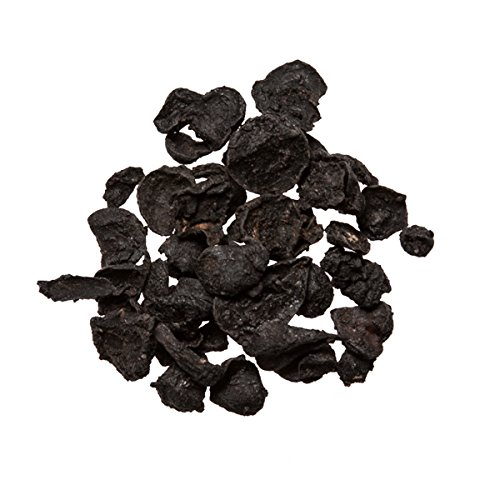
Fu Zi
附子 Fu Zi
Aconiti Lateralis Radix Praeparata
💊 Actions
The strongest warming herb: restores Kidney and Heart Yang, for severe cold, cold paralysis, and cold shock.
Contraindications
⚠️ Highly toxic when raw; decoct 30-60 minutes; contraindicated in pregnancy and heat patterns; prescription only.
📖 Usage & Dosage
3-15 grams, decocted for a long time.
📖 In-Depth Guide
What Is Fu Zi (Prepared Aconite)?
Fu Zi, listed as Aconiti Lateralis Radix Praeparata, is the prepared lateral, or daughter, root of Aconitum carmichaelii, a plant of the buttercup family. The fresh root is gathered in late summer and is never used as medicine in its raw state; it undergoes extensive processing, including soaking, salting, slicing, and steaming, to produce the dark or pale prepared slices dispensed in pharmacies. In English it is called prepared aconite lateral root. Fu Zi is described as the strongest warming herb in the Chinese materia medica, and it is also one of its most toxic materials when handled incorrectly, so preparation and decoction are matters of safety rather than preference.
TCM Properties and Actions
Fu Zi is very hot in nature, with acrid (pungent) and sweet flavors, and it enters the Heart, Kidney, and Spleen channels. It is the strongest warming herb: it restores Kidney and Heart yang and is traditionally used for severe cold, cold paralysis, and cold shock.
In traditional theory, this means it is reserved for patterns of profound yang deficiency or collapse, such as extremely cold limbs, a faint pulse nearly disappearing, profuse cold sweat, and a pale, swollen face. It warms and restores Kidney yang for deep aversion to cold, cold and painful lower back and knees, watery swelling, and chronic urinary problems, and it supports Spleen and Heart yang in cold digestive and circulatory patterns. Cold paralysis refers to a cold-type painful obstruction in which the limbs or joints are numb, heavy, stiff, and markedly worse with cold, which the herb's channel-warming action is traditionally used to support. These are classical emergency and deficiency patterns, assessed only by experienced practitioners.
Traditional Use and Common Combinations
For yang collapse with cold limbs and a faint pulse, Fu Zi is classically combined with Gan Jiang, or dried ginger, and honey-fried licorice in a famous emergency formula, the dried ginger supporting the aconite while the licorice moderates it. For simultaneous collapse of qi and yang, it is paired with ginseng. For Kidney and Spleen yang deficiency with watery swelling and cold pain, it appears with white atractylodes, poria, and prepared rehmannia in warming formulas. For cold painful obstruction, it may be combined with cassia twig and white atractylodes. In every case only the processed herb is used, within formulas designed to balance its intensity.
Safety, Contraindications, and Interactions
Fu Zi is highly toxic when raw. It must be used only in its prepared form and decocted for 30-60 minutes, traditionally before the other herbs are added, to reduce its toxic alkaloids. It is contraindicated in pregnancy and in heat patterns, and it is prescription only: it is not for self-use in any form. Raw aconite, wild-gathered roots, and homemade preparations must never be used. Warning signs of toxicity include numbness or tingling around the mouth, tongue, or limbs, nausea, vomiting, blurred vision, palpitations, sweating, or breathing difficulty; anyone developing these symptoms needs emergency medical attention at once. Alcohol and unrelated medications may increase risk, so a prescribing practitioner must be told about every substance being used, and breastfeeding women and children require specialist-level judgment.
How TCM Practitioners Use It Today
The standard dosage is 3-15 grams, decocted for a long time, with the specific dose and processing style chosen by an experienced practitioner and the prepared slices sourced from a licensed pharmacy. The decoction time and the patient's response are monitored carefully. Fu Zi is never selected from symptoms alone and is not sold for unsupervised use.
This content is for educational purposes only and does not substitute for medical advice, diagnosis, or treatment from a licensed clinician.
Frequently asked questions
Is Fu Zi safe during pregnancy? No. Fu Zi is contraindicated in pregnancy because of its very hot nature and toxicity. It should also not be used during breastfeeding without specialist judgment. Any use requires direct prescription and supervision by a qualified practitioner.
Can Fu Zi replace prescription medication? No. Fu Zi is a highly toxic, prescription-only traditional herb used within carefully prepared TCM formulas for severe cold-deficiency patterns; it cannot replace emergency, cardiac, or any other prescribed treatment. Do not stop or change medication without speaking with the prescribing clinician.
What is the difference between Fu Zi and Gan Jiang? Both are intensely hot interior-warming herbs and they are famous partners in emergency cold-collapse formulas. Gan Jiang is the dried ginger rhizome, used at ordinary dosages without special toxicity controls; it mainly warms the Spleen and Stomach for cold pain and vomiting and warms the Lung in cold-phlegm cough. Fu Zi is processed aconite, the strongest yang-rescuing herb, entering the Heart, Kidney, and Spleen for collapse, deep Kidney cold, and cold painful obstruction. Unlike Gan Jiang, Fu Zi is highly toxic when raw, is contraindicated in pregnancy and heat patterns, requires long decoction, and is available only by prescription.
🏠 The First Heat Power
King of warming herbs; for specialized pharmaceutical use only, not for home use.
💊 Formulas with this herb
🧭 Explore more
🌿 Related Herbs
Related conditions
Medical disclaimer: this content is for health education only and does not constitute diagnosis or treatment advice. Consult a qualified healthcare practitioner before use; some herbs may interact with medications and require special caution during pregnancy or breastfeeding.