Note: the actions, contraindications and usage sections are currently published in Arabic (primary market content); translations are in progress. Herb name, nature, taste and meridians are shown as is.
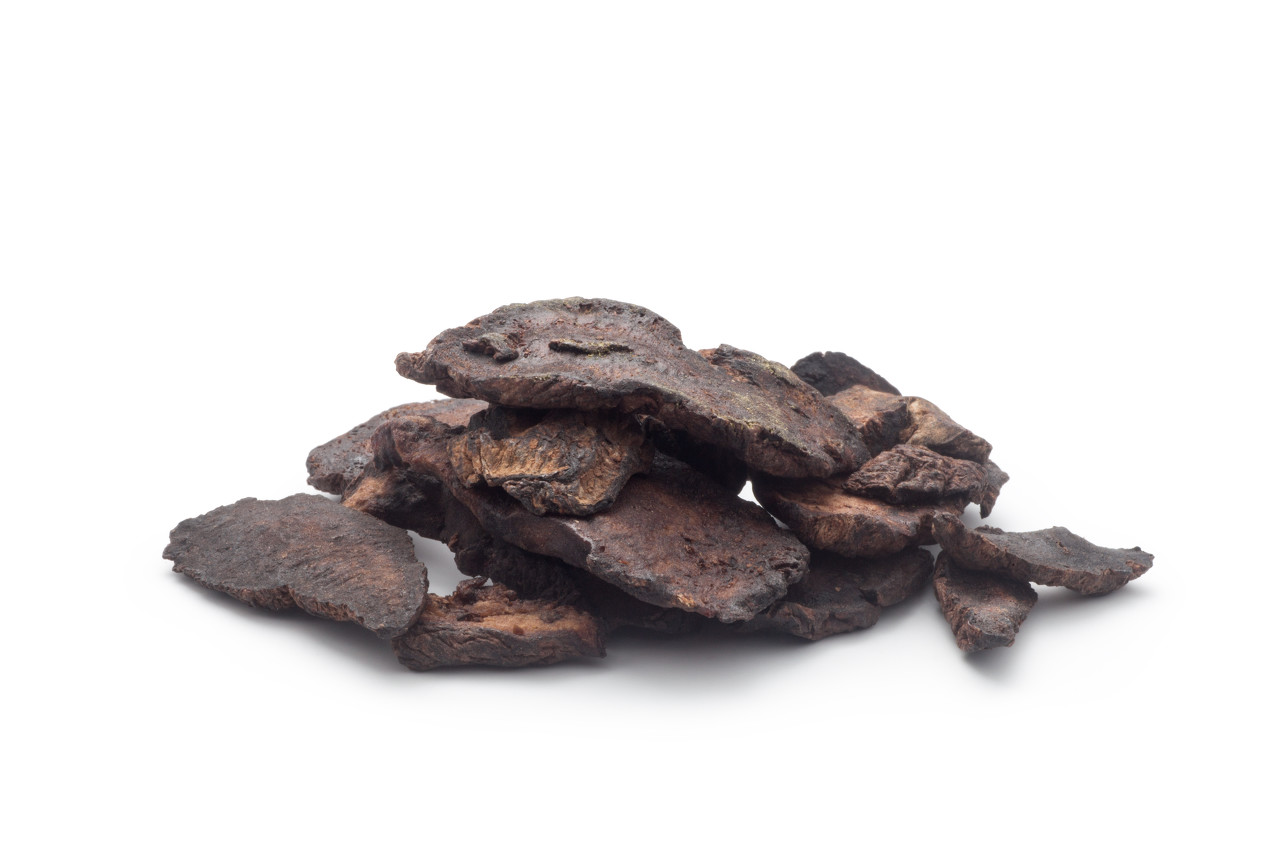
Sheng Di Huang
生地黄 Sheng Di Huang
Rehmanniae Radix
💊 Actions
Cools the blood and nourishes yin, for blood-heat macules and a red tongue with thirst.
Contraindications
Contraindicated in spleen cold with diarrhea.
📖 Usage & Dosage
9-15 grams.
📖 In-Depth Guide
What Is Sheng Di Huang (Raw Rehmannia Root)?
Sheng Di Huang, listed as Rehmanniae Radix, is the dried root of the Chinese foxglove without the repeated steaming and wine processing that produces Shu Di Huang. The fresh or dried roots are plump and yellowish-brown, darkening with drying, with a sweet and faintly bitter taste. Both the fresh root (sometimes distinguished as xian di huang) and the dried root belong to the raw, cooling tradition of the herb. In English it is called raw or unprocessed rehmannia root, and it is important not to confuse it with the glossy black prepared form sold for a different purpose.
TCM Properties and Actions
Sheng Di Huang is cold in nature, sweet and bitter in flavor, and enters the Heart, Liver, and Kidney meridians. Its recorded actions are to cool the blood and nourish yin. In TCM, heat entering the blood level can force blood outward and consume fluids, while yin deficiency itself can produce empty heat. The classic signs named in the record are blood-heat macules (red spots or eruptions on the tongue or skin), a red tongue, and thirst; the wider pattern includes a low fever, heat in the palms and soles, dry mouth especially at night, and various bleeding manifestations understood as heat agitating the blood. Because the root is cold and moistening rather than cloying, it both clears heat and replenishes the fluids that heat has damaged.
Traditional Use and Common Combinations
Practitioners use raw rehmannia in two related settings: heat that has entered the blood with red macules, thirst, and a red tongue, and yin deficiency with empty heat showing as a low afternoon fever, night sweating, and dryness. It is paired in classic clearing-and-nourishing formulas with herbs such as scrophularia and ophiopogon tuber to nourish yin and generate fluids, and with moutan bark when blood heat is prominent. The fresh root is considered the most cooling form for acute fluid injury in hot disease. These are traditional pattern descriptions; unexplained skin spots, bleeding, fever, or marked thirst can indicate serious modern disease and must be medically evaluated rather than treated with the herb alone.
Safety, Contraindications, and Interactions
The recorded contraindication must be preserved: Sheng Di Huang is contraindicated in spleen cold with diarrhea. Its cold, moist nature can further weaken a digestive system that already runs cold, producing or worsening loose stools, abdominal cold pain, poor appetite, bloating, and a pale, swollen tongue. People with chronic loose stools should use it only under professional supervision, and it is generally avoided during an acute cold-digestive upset. Anyone who develops diarrhea or abdominal discomfort should stop. Pregnancy, breastfeeding, childhood, chronic illness, or long-term medication calls for a qualified practitioner's assessment rather than self-use.
How TCM Practitioners Use It Today
The recorded dosage is 9-15 grams, typically decocted with other herbs in compound formulas; the fresh root may be juiced or used in larger amounts in classical emergency-style preparations when a practitioner judges heat and fluid injury to be acute. The choice between fresh, dried-raw, and prepared rehmannia is a professional one, since each form has a different thermal nature. Obtain material that is clean, heavy, and properly dried. This guide is educational and does not replace professional medical diagnosis or treatment.
Frequently asked questions
Is Sheng Di Huang safe during pregnancy?
It should not be used without professional guidance during pregnancy or breastfeeding. It is a cold herb that can disturb weak digestion, and its suitability in pregnancy must be judged by a qualified practitioner rather than by self-selection.
Can Sheng Di Huang replace prescription medication?
No. It is a traditional blood-cooling, yin-nourishing herb for patterns with red macules, a red tongue, and thirst; it does not replace medical treatment for fever, bleeding, skin eruptions, or other diagnosed conditions, which should be evaluated promptly.
What is the difference between Sheng Di Huang and Shu Di Huang?
Sheng Di Huang is the unprocessed, cold root that cools the blood, clears heat, and nourishes yin for heat-with-dryness patterns. Shu Di Huang is the same root repeatedly steamed and dried until it is black, sweet, and slightly warm; it is a heavy tonic that nourishes yin and generates blood. The two are not interchangeable.
🏠 Raw Earth Root
The fresh version is more cooling than the cooked version.
💊 Formulas with this herb
🧭 Explore more
🌿 Related Herbs
Related conditions
Medical disclaimer: this content is for health education only and does not constitute diagnosis or treatment advice. Consult a qualified healthcare practitioner before use; some herbs may interact with medications and require special caution during pregnancy or breastfeeding.