Note: the actions, contraindications and usage sections are currently published in Arabic (primary market content); translations are in progress. Herb name, nature, taste and meridians are shown as is.
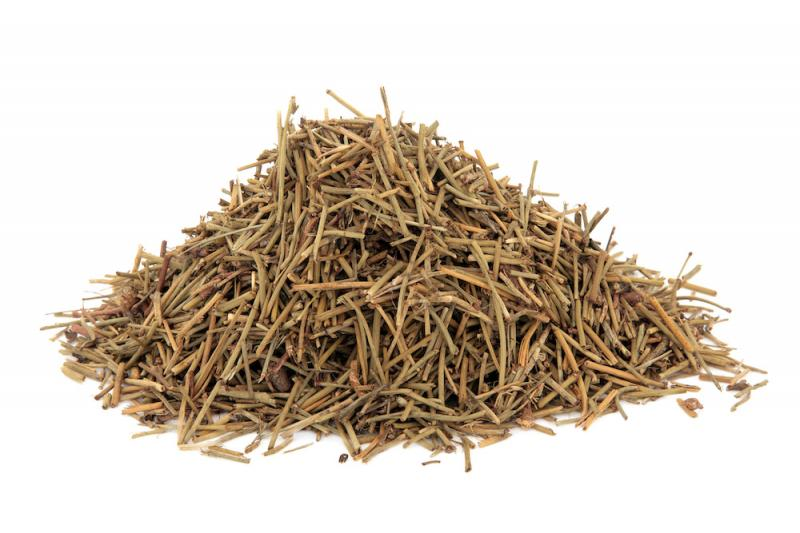
Ma Huang
麻黄 Ma Huang
Ephedrae Herba
💊 Actions
Strongly induces sweating and dispels external cold, opens the bronchi and facilitates breathing, calms cough and asthma, and treats mild edema accompanied by shortness of breath. It is the strongest diaphoretic herb in Chinese materia medica and one of the essential herbs since the Shennong Bencao Jing.
Contraindications
Absolutely contraindicated for patients with hypertension, heart disease, angina pectoris, hyperthyroidism, severe anxiety, and insomnia; not to be given in active bleeding or during pregnancy except under medical supervision; preferably not used at night; use only in small doses and for a short duration, as overdose consumes defensive qi.
📖 Usage & Dosage
2-9 grams (decocted first and skim off the foam before use).
📖 In-Depth Guide
What Is Ma Huang (Ephedra)?
Ma Huang, listed as Ephedrae Herba, is the dried herbaceous stem of Ephedra plants, principally Ephedra sinica. Harvested in autumn, the slender greenish-yellow stems are dried and usually cut into short segments; they may be used plain or honey-fried. In English it is known as ephedra. Traditional materia medica describes it as the strongest sweat-inducing, or diaphoretic, herb in the Chinese materia medica and one of the essential herbs since the Shennong Bencao Jing. It contains ephedrine-type alkaloids, which accounts for both its traditional respiratory uses and the strict precautions surrounding it.
TCM Properties and Actions
Ma Huang is warm in nature, with acrid (pungent) and slightly bitter flavors, and it enters the Lung and Bladder channels. It strongly induces sweating and dispels external cold, opens the bronchi and facilitates breathing, calms cough and asthma, and is traditionally used for mild edema accompanied by shortness of breath.
The first action addresses an exterior excess pattern: strong wind-cold invasion with marked chills and fever, no sweating, headache, generalized body ache, and a tight feeling in the chest. Ma Huang's forceful, dispersing character opens the pores and pushes the cold influence outward. Through the Lung it also relaxes constricted air passages in the traditional framework, which is why it is a classic herb for wheezing and cough with difficult breathing, whether from cold or from heat when paired with cooling herbs. Through the Bladder it supports the movement of water, so it appears in formulas for superficial edema with shortness of breath. These are traditional pattern descriptions, not replacements for modern assessment of fever or breathing problems.
Traditional Use and Common Combinations
For a strong wind-cold pattern without sweating, Ma Huang is classically paired with Gui Zhi, or cinnamon twig, which supports its surface-releasing effect. For cough and wheezing, it is combined with apricot kernel, one herb dispersing and the other directing lung qi downward. For wheezing with heat signs and fever, gypsum is added to balance its warmth in a well-known breathing formula. For wind-type edema with shortness of breath, it may be paired with fresh ginger or with gypsum when heat is present. Every such formula is individualized, and Ma Huang is not selected from a symptom alone.
Safety, Contraindications, and Interactions
Ma Huang is absolutely contraindicated for patients with hypertension, heart disease, angina pectoris, hyperthyroidism, severe anxiety, and insomnia. It is not to be given in active bleeding or during pregnancy except under medical supervision. It is preferably not used at night, because its stimulating quality can disturb sleep. It should be used only in small doses and for a short duration, as overdose is traditionally said to consume defensive qi; signs of overstimulation include palpitations, tremor, headache, restlessness, and sleeplessness, and use should stop immediately if these occur. Because of its ephedrine-type alkaloids, it should not be combined casually with caffeine, stimulants, or decongestants, and anyone taking cardiovascular, thyroid, psychiatric, or other regular medication must disclose this to the prescribing practitioner. Ma Huang requires practitioner supervision and is not suitable for self-selection.
How TCM Practitioners Use It Today
The standard dosage is 2-9 grams, decocted first, with the foam skimmed off before use. The honey-fried form is often preferred for cough and wheezing because it is considered gentler in inducing sweating. Practitioners prescribe short courses within balanced formulas, monitor the response closely, and may avoid evening dosing.
This content is for educational purposes only and does not substitute for medical advice, diagnosis, or treatment from a licensed clinician.
Frequently asked questions
Is Ma Huang safe during pregnancy? Ma Huang is not to be used during pregnancy except under medical supervision. Pregnant or breastfeeding women should not take it on their own; if a qualified practitioner judges it necessary, the pregnancy, cardiovascular status, and all other medications must be reviewed first.
Can Ma Huang replace prescription medication? No. Ma Huang is a traditional herb with strong physiological effects and cannot replace inhalers or prescribed drugs for asthma, cardiovascular disease, thyroid disease, or any other condition. Do not stop or change medication without speaking with the prescribing clinician.
What is the difference between Ma Huang and Gui Zhi? Both are warm, acrid herbs that enter the Lung and Bladder and release wind-cold from the exterior, and they are often paired for a strong cold pattern without sweating. Ma Huang is much more forceful: it is the strongest diaphoretic, opens the air passages for wheezing, and moves water for edema, with strict cardiovascular and stimulant precautions. Gui Zhi is gentler and sweeter; it reaches the muscles, limbs, and vessels, supports the movement of yang and fluids, and can also be used in exterior-deficiency patterns, with bleeding and high-fever cautions instead.
💊 Formulas with this herb
🧭 Explore more
🌿 Related Herbs
Medical disclaimer: this content is for health education only and does not constitute diagnosis or treatment advice. Consult a qualified healthcare practitioner before use; some herbs may interact with medications and require special caution during pregnancy or breastfeeding.