Note: the actions, contraindications and usage sections are currently published in Arabic (primary market content); translations are in progress. Herb name, nature, taste and meridians are shown as is.
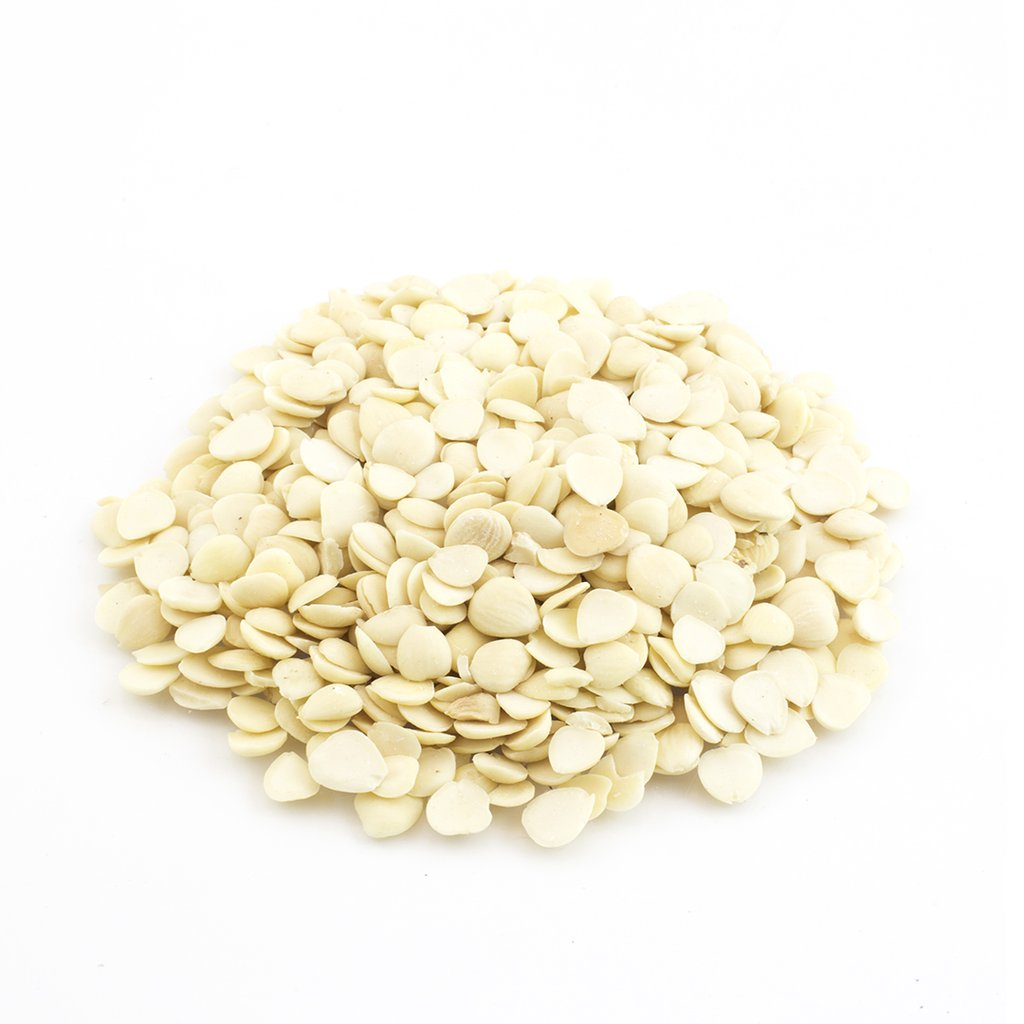
Ku Xing Ren
苦杏仁 Ku Xing Ren
Armeniacae Semen Amarum
💊 Actions
Stops cough, calms asthma, and moistens the intestines; for acute cough, asthma, and constipation.
Contraindications
⚠️Contains amygdalin; do not exceed the dose (≤9 g) or use long-term; contraindicated for children without consultation.
📖 Usage & Dosage
4.5-9 grams, decocted.
📖 In-Depth Guide
What Is Ku Xing Ren (Bitter Apricot Kernel)?
Ku Xing Ren is the dried, ripe bitter kernel of the apricot, Prunus armeniaca and related varieties, known in pharmaceutical Latin as Armeniacae Semen Amarum. Its Chinese name means bitter apricot kernel, and it is sometimes called bitter almond in older English sources, although it comes from an apricot pit rather than the sweet almond used in cooking. The kernels are flattened, heart-shaped, and marked by a pronounced bitter taste.
Apricots are grown widely across Asia and the Mediterranean, and the sweet fruit is enjoyed around the world. In Chinese medicine, however, only the properly prepared bitter kernel is used medicinally, and it is handled as a regulated medicinal material rather than a snack food. The kernels are shelled, blanched or scalded, and dried; practitioners generally use the processed form and prescribe it within a cooked formula. The sweet apricot kernel sold for soups and desserts is a different material and is not interchangeable with the medicinal bitter kernel.
TCM Properties and Actions
Ku Xing Ren is slightly warm in nature and bitter in flavor, and it enters the Lung and Large Intestine channels. Bitterness in this system is associated with directing qi downward and with downward-draining action, which fits the kernel's two principal roles.
Its recorded actions are to stop cough, calm asthma, and moisten the intestines. It is traditionally used to direct lung qi downward when cough and wheezing are accompanied by the sensation of qi rebelling upward, whether the underlying pattern is described as wind-cold, wind-heat, or dryness. Because the kernel contains oil, it is also used for dry-type constipation, in which the stool lacks moisture. Practitioners stress that its cough and wheezing use is pattern-specific: it is not considered suitable for every kind of cough, and it does not address the infectious, allergic, or structural causes that modern medicine may identify.
Traditional Use and Common Combinations
Ku Xing Ren appears in many classical formulas for cough. For wind-cold presentations with clear sputum and chills, it is traditionally combined with warm, surface-releasing herbs; for wind-heat presentations with sore throat and fever, with cooling herbs such as Ju Hua (chrysanthemum flower) and Jie Geng (platycodon root); for dry cough, with moistening herbs such as Chuan Bei Mu (fritillaria bulb). In each case the kernel is one ingredient in a balanced prescription adjusted to the person's pattern.
It is important to distinguish these traditional applications from modern diagnoses. Asthma, pneumonia, chronic obstructive pulmonary disease, and a prolonged or severe cough require medical assessment, and herbal formulas are used in some integrative settings as supportive care rather than as a substitute for inhalers, antibiotics, or other prescribed therapy.
Safety, Contraindications, and Interactions
Ku Xing Ren contains amygdalin, a cyanogenic glycoside that can release cyanide when raw kernels are chewed or consumed in excess. For this reason the safety warnings are strict: do not exceed the prescribed dose (no more than 9 g), do not use it long term, and do not use it for children without professional consultation. Raw kernels should never be eaten as food, and bitter apricot kernels sold as health snacks are not an equivalent product.
Signs of excessive intake can include nausea, headache, dizziness, and breathing difficulty and, in serious cases, cyanide poisoning; anyone developing such symptoms after ingestion should seek urgent medical care. Use during pregnancy and breastfeeding should be supervised by a qualified practitioner, and people with chronic respiratory disease should not self-adjust prescribed medication. Only processed kernels from a reputable pharmacy should be used.
How TCM Practitioners Use It Today
The standard recorded dose is 4.5-9 grams, decocted. Practitioners use the prepared kernel within a formula, cooked in a standard decoction rather than eaten raw, and limit the duration of use to the course of symptoms. It is selected for cough, wheezing, and dry constipation when the traditional downward-directing pattern is present.
This information is educational and does not replace face-to-face medical advice. Respiratory symptoms can be serious, and any persistent cough, wheezing, or breathing difficulty should be evaluated by a healthcare professional.
Frequently asked questions
Is Ku Xing Ren safe during pregnancy? No blanket prohibition is recorded, but because the kernel contains amygdalin and is a regulated medicinal material, it should be used during pregnancy or breastfeeding only under the direct supervision of a qualified practitioner and never self-prescribed or eaten raw.
Can Ku Xing Ren replace prescription medication? No. It is a traditional herb used within a formula for pattern-based cough, wheezing, and dry constipation, and it cannot replace asthma inhalers, antibiotics, or other prescribed therapy. Stopping or changing prescribed medication should be done only through the prescribing clinician.
What is the difference between Ku Xing Ren and Tian Xing Ren? Ku Xing Ren is the bitter apricot kernel, slightly warm and strongly medicinal, used to direct lung qi downward for cough and asthma and to moisten the intestines. Tian Xing Ren, the sweet apricot kernel, is milder and largely used in foods and gentle preparations; it is not considered interchangeable with the regulated bitter kernel and lacks the same safety restrictions.
🏠 Chinese apricot kernel
The apricot is beloved by the Arabs; its bitter kernel can serve as medicine, but must be used with caution.
💊 Formulas with this herb
🧭 Explore more
🌿 Related Herbs
Medical disclaimer: this content is for health education only and does not constitute diagnosis or treatment advice. Consult a qualified healthcare practitioner before use; some herbs may interact with medications and require special caution during pregnancy or breastfeeding.