Cupping: The Complete Guide to Benefits, Timing, and Precautions
Cupping is a traditional therapeutic technique in which cups are used to create suction on the skin, with the aim of stimulating local blood circulation, relieving pain, and supporting the body's natural repair response. It has been rooted in traditional Chinese medicine for more than two thousand years and holds a special place in Prophetic medicine (Tibb al-Nabawi), because authentic hadiths record that the Prophet Muhammad (peace be upon him) underwent cupping himself and directed others to it. This guide brings together everything you need to know, honestly and in a balanced way: what it is and its types, what modern science has established and what has not yet been established, when it is performed and when it should be avoided, and how to choose a qualified practitioner.
Guide summary - Cupping has three main types: dry cupping (suction only), wet cupping (suction with superficial skin incisions — the form predominant in the Prophetic tradition), and moving cupping (an oiled cup moved across the skin). - Authentic hadiths on the merit of cupping appear in Sahih al-Bukhari, Sahih Muslim, and Sunan al-Tirmidhi, including that the Prophet (peace be upon him) was cupped at the two side neck veins (al-akhda'ayn) and the upper back (al-kahil), and that he said cupping is among the best of what people use for treatment. - The strongest modern evidence concerns short-term relief of chronic musculoskeletal pain (a systematic review in BMJ Open in 2025, with moderate-quality evidence); benefits for function and mental health are not established. - The white days (the 13th, 14th, and 15th of each Hijri month, the moonlit nights) and the 17th, 19th, and 21st (on which, per Anas's narration, the Prophet ﷺ was cupped) are the times traditionally recommended, but choosing these dates is not a medical condition for benefit — see The Cupping Calendar and Times in the Prophetic Tradition. - Cupping is not suitable for everyone: anaemia, taking blood thinners, pregnancy, skin disease at the treatment site, and unstable heart disease are among the main contraindications — see the contraindications section below.
What Is Cupping and How Does It Work?
In simple terms, cupping is placing a cup (glass, plastic, silicone, or bamboo) on the skin after partially removing the air from it, creating negative pressure that draws the skin and the soft tissue beneath it up into the cup. The cup is usually left in place for 5–15 minutes, causing the local capillaries to dilate and blood to flow to the area, which appears as a red or purplish mark that fades within days.
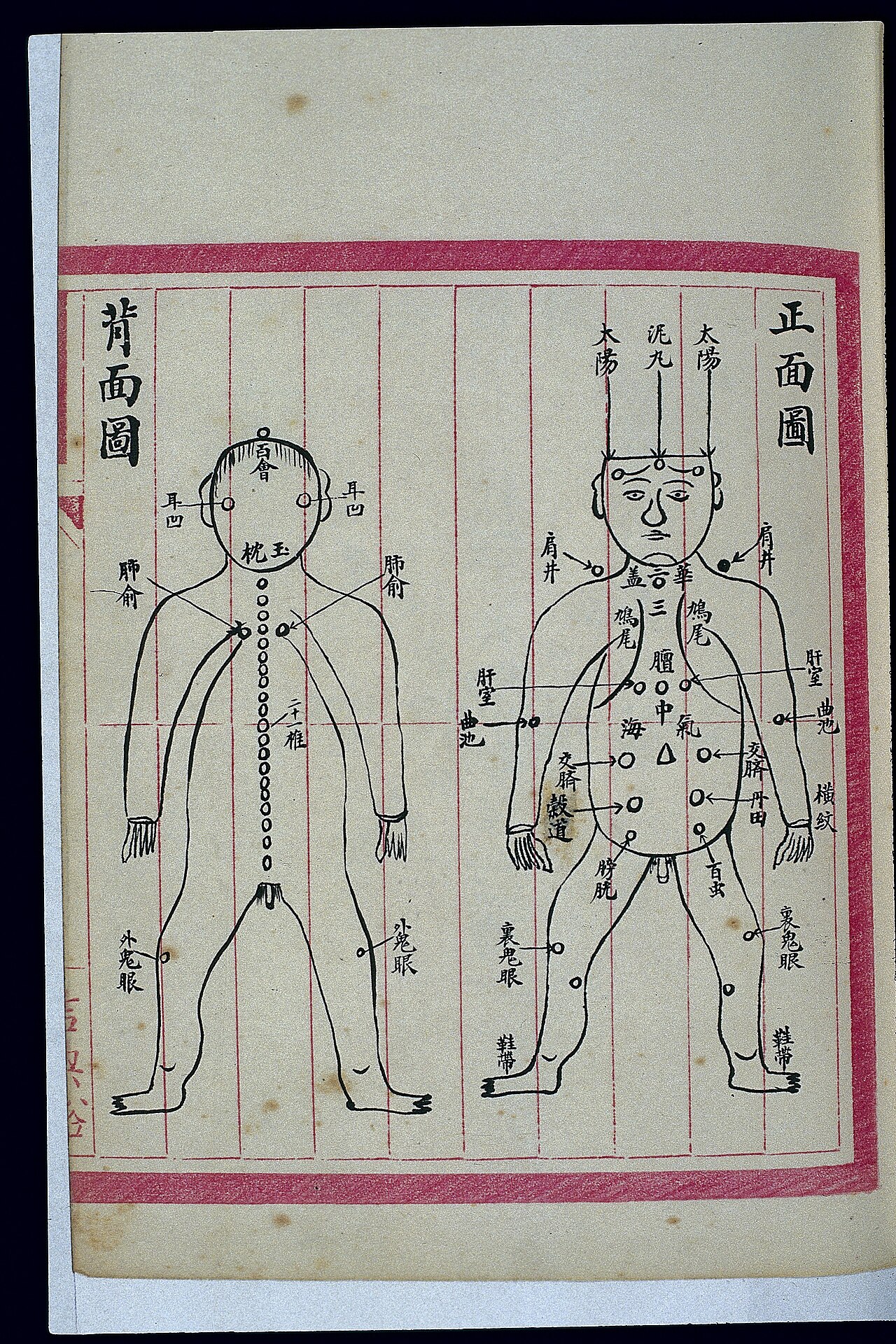
In traditional Chinese medicine, the technique is explained as moving "qi" (vital energy) and blood, expelling disease factors such as wind, cold, and dampness from the body, and opening the energy channels (meridians). In the Prophetic tradition, wet cupping in particular is counted among the remedies to which the Prophet (peace be upon him) guided and which he practised himself.
How Is Cupping Classified in Modern Terms?
Modern references classify cupping along four axes: the suction method (traditional fire, the hand pump that is safer and more common today, or electric suction devices); the procedure type (dry, wet, moving, or quick flash cupping); the suction strength (light, medium, strong); and the cup material (glass, medical plastic, silicone, bamboo). The World Health Organization's guide to safe traditional practices recommends glass cups because they withstand high-temperature sterilization, which licensed clinics comply with.
The Most Common Cupping Sites
- The upper back between the two shoulder blades (al-kahil): the best-known site in both the Prophetic tradition and Chinese medicine, traditionally used for headache, shoulder tension, and chest congestion.
- Both sides of the spine (the Bladder meridian back-shu points): in Chinese medicine every point on this line is associated with an internal organ, and this is the site most used in modern clinical studies on back pain.
- The two side neck veins (al-akhda'ayn): a fixed Prophetic site in the hadith of al-Tirmidhi; today it is used with extreme caution because the region is anatomically sensitive, and it is advisable only with an expert practitioner.
- The lower back, the shoulders, and the outer thigh: common sites for muscular pain and for athletes.
The Difference Between the Types of Cupping
| Type | Description | Main uses |
|---|---|---|
| Dry cupping | Suction only, without any skin incision | Muscular pain, tension, relaxation — most suitable for beginners |
| Wet cupping | Suction, then precise superficial incisions, then suction again to draw out drops of blood | The Prophetic tradition; traditionally used to relieve "congestion" |
| Moving cupping | The skin is oiled and the cup is moved across it | A deep massage for the large muscles of the back and thighs |
For the detailed difference between the two most common types — when to choose dry and when wet, and the differences in pain, recovery, and indications — see the table above and consult a qualified cupping practitioner who can assess your condition.
The Place of Cupping in History and the Prophetic Tradition: Its Roots and Standing
Ancient Historical Roots
Cupping is among the oldest documented therapeutic practices in human history. The ancient Chinese knew it more than two thousand years ago; it is mentioned in the "Bo Shu" silk manuscripts (among the earliest discovered Chinese medical texts) and in the "Huangdi Neijing" (Yellow Emperor's Inner Canon), the origin of recorded Chinese medicine. Hippocrates knew it in ancient Greece, and the early Muslim Arab physicians, such as Ibn Sina (Avicenna) in The Canon of Medicine, used it. It flourished in Islamic civilization until "cupping practitioner" became a profession in its own right in the markets of Islamic cities. In the modern era cupping returned to the global spotlight after its marks appeared on the bodies of famous Olympic athletes, and scientific research on it has increased markedly over the past two decades.
Cupping in Prophetic Medicine
Cupping has an unequalled standing in Islamic heritage; it is established in the Two Sahihs and elsewhere that the Prophet (peace be upon him) underwent cupping, commanded cupping, and praised it:
- Anas ibn Malik (may Allah be pleased with him) narrated that the Prophet (peace be upon him) said: "Indeed, among the best of what you treat yourselves with is cupping and Qust al-Bahri (sea costus)." (Narrated by al-Bukhari, Book of Medicine, no. 5696.)
- Anas (may Allah be pleased with him) narrated: The Messenger of Allah (peace be upon him) was cupped by Abu Tayba, and he ordered that he be given two sa' of food, and said: "Indeed, the best of what you treat yourselves with is cupping" — or "it is among the best of your remedies." (Narrated by Muslim, no. 1577.)
- Ibn Abbas (may Allah be pleased with him and his father) narrated that the Prophet (peace be upon him) was cupped while in a state of ihram, and was cupped on his head for an ailment he had there (agreed upon by al-Bukhari and Muslim).
- Anas (may Allah be pleased with him) narrated that the Messenger of Allah (peace be upon him) "used to be cupped at the two side neck veins and the upper back, and he used to be cupped on the seventeenth, nineteenth, and twenty-first" (narrated by al-Tirmidhi, Book of Medicine).
- In the hadith of the Night Journey (al-Mi'raj) in al-Tirmidhi and Ibn Maja, the Prophet (peace be upon him) said: "On the night I was taken on the journey, I did not pass by any group of angels but they all said to me: O Muhammad, upon you is cupping." — a heavenly recommendation that led many scholars to count it among the greatest reports on the merit of this practice.
Ibn al-Qayyim devoted a long chapter to cupping in his book "Prophetic Medicine" (al-Tibb al-Nabawi), discussing its sites, its timing, and the bodily conditions suited to it. He wrote that cupping benefits hot-natured bodies, hot lands, and hot times, and that in some conditions it is more beneficial to the body than venesection (al-fasd), because it draws blood from the depths of the vessels.
This religious standing deserves respect, and it is our scientific duty to add: the Prophetic recommendation expresses a general health benefit in its context; it does not mean that cupping treats every disease, nor does it replace modern medicine in serious conditions. Combining faith in the Sunnah with scientific verification is the position taken by the great Muslim physicians throughout history.
🔗 Read also: The Cupping Therapy page: what happens in a session and how to book and the Guide to Natural Therapies in Chinese Medicine.
The Benefits of Cupping: What Does Tradition Say and What Does Science Say?
This is the most-searched question (the benefits of cupping), and here we distinguish, with complete honesty, three levels of evidence:
First: What Modern Studies Support (with low-to-moderate-quality evidence)
- Chronic musculoskeletal pain: BMJ Open published a systematic review and meta-analysis in 2025 that included ten randomized trials and found that cupping significantly reduced pain intensity (with moderate evidence quality according to the GRADE system). However, the same review found no meaningful improvement in functional disability or mental health.
- Low back pain: a 2024 meta-analysis in Complementary Therapies in Medicine (11 trials, 921 participants) found pain relief over 2–8 weeks superior to medication and usual care, but the benefit disappeared at follow-up after one to six months — that is, the effect is real but short term.
- Chronic neck pain: a 2020 review found that dry cupping appreciably reduced chronic neck and low back pain, with low-to-moderate-quality evidence.
- Headache and migraine: small studies suggested improvements in attack severity and frequency in some patients, but the evidence is insufficient for firm conclusions. More: our guide to headache from the Chinese medicine perspective.
An important methodological note: a recent analytical study (2025) examined 72 randomized cupping trials covering 5,720 participants and found that all of them were classified as high risk of methodological bias; the "evidence map" study in Frontiers in Neurology (2023), which reviewed 14 meta-analyses, concluded that not a single outcome was supported by high-quality evidence. This does not mean it is of no benefit; it means that scientific research has not yet reached certainty, and the major reviews (including the anticipated Cochrane review) are still in progress.
Second: Ancient Traditional Uses (traditional evidence and clinical experience)
These are uses that have circulated for centuries in Prophetic medicine and Chinese medicine, but modern clinical evidence for them is either limited or absent:
- Relieving muscular tightness and fatigue after physical exertion.
- A sense of relaxation and relief of tension (many patients describe better sleep after a session).
- Supporting local blood circulation in the treated area.
- Traditionally: "removing congestion" and improving general vitality.
Third: What There Is No Evidence For (be wary of exaggerations)
- Studies do not establish that it "removes toxins" from the body — the liver and kidneys handle detoxification.
- There is no evidence that it treats diabetes, hypertension, cancer, or infertility, or that it is a substitute for any prescribed medication.
- Any cupping practitioner who promises you a "final cure" for a chronic disease deserves your suspicion, not your trust.
How Is Its Pain-Relieving Effect Explained?
Physiological studies propose possible mechanisms: the negative pressure stretches the skin and fascia and dilates the capillaries, increasing local blood flow and altering pain perception through something like the "gate control theory" (tissue stimulation competes with pain signals to the brain), in addition to a mild inflammatory response that may stimulate tissue repair. A 2022 laboratory experiment measuring muscle elasticity with ultrasound found that ten minutes of suction reduces the stiffness of the deep muscle layer — but remember: demonstrating a mechanism in the laboratory does not equal demonstrating long-term clinical benefit.
The balanced conclusion: cupping is a promising complementary tool for short-term relief of musculoskeletal pain and a Sunnah practice of spiritual and general health value, but it is neither a comprehensive treatment nor a substitute for medical diagnosis.
Cupping Days: When Is the Best Time for Cupping?
One of the most common questions: which are the preferred cupping days? The answer combines the Prophetic tradition with practical considerations:
The Recommended Days in the Hijri Calendar
Based on the hadith of al-Tirmidhi quoted above ("he used to be cupped on the seventeenth, nineteenth, and twenty-first"), cupping is traditionally recommended on the white days: the 17th, 19th, and 21st of every Hijri lunar month, the days when the moon approaches fullness. Many practitioners also prefer the mornings of Monday and Thursday.
Time of Day and Physical State
- In the morning, on a stomach neither empty nor full: neither in intense hunger nor immediately after eating.
- Avoid cupping after strenuous physical exertion, a very hot bath, or extreme exhaustion.
- Avoid it during a fever or an acute illness episode.
An Important Reminder
The white days are a traditional recommendation, not a medical requirement. The therapeutic benefit of cupping does not depend on a particular day, and if someone needs it for a therapeutic purpose on another day there is no objection according to the majority of scholars and practitioners. More important than the date are: your bodily condition, the practitioner's qualifications, and the safety of sterilization.
🔗 For the complete monthly Hijri calendar of cupping days with the specific reminders and precautions of each month, see: The Complete Calendar of Cupping Days and Recommended Times.
What Cupping May Treat — and What It Does Not Treat
Honesty here is both a medical and an ethical duty:
Conditions in Which Cupping May Be Helpful as Complementary Care
- Chronic non-specific low back pain (the strongest area of evidence).
- Neck and shoulder pain and muscular tension.
- Mild-to-moderate degenerative knee pain (temporary relief).
- Tension headache and migraine in some patients (preliminary evidence).
- Supporting relaxation and muscular recovery in athletes.
Conditions for Which Cupping Is Not Considered a Treatment
- Chronic internal diseases: diabetes, hypertension, heart disease, kidney and liver disease — these require indispensable medical follow-up and medication.
- Infectious and acute diseases: fever, bacterial infections, acute episodes — the doctor takes priority.
- Tumours of all kinds: there is no evidence that cupping treats cancer.
- Psychological disorders: anxiety and clinical depression require a mental-health specialist; cupping may help relaxation but it is not psychotherapy.
The golden rule: use it as a complement to your treatment plan, not a substitute, and tell your doctor that you are being cupped. You can explore the conditions addressed by Chinese medicine in our disease library and on the cupping therapy page on our website.
Cupping Contraindications and Safety: Who Should Not Be Cupped?
This is the most important section of the guide. The practice is relatively safe with a trained practitioner, but it is not for everyone:
Absolute Contraindications or Cases Requiring a Doctor's Approval First
| Condition | Reason for contraindication or caution |
|---|---|
| Severe anaemia | Wet cupping draws additional blood; rare cases of anaemia due to repeated wet cupping have been reported |
| Taking blood thinners (warfarin, aspirin at therapeutic doses, anticoagulants) | Risk of bleeding and extensive bruising that does not stop easily |
| Clotting disorders, haemophilia, low platelets | Risk of serious bleeding |
| Pregnancy (especially the abdomen and lower back) | A theoretical risk to pregnancy; avoidance throughout pregnancy is advised unless medically approved |
| Unstable heart disease and uncontrolled blood pressure | Health authorities (including the Cambodian Ministry of Health in 2016) have warned of its risks for heart and blood-pressure patients |
| Skin disease at the treatment site: eczema, psoriasis, wounds, burns, infections | The condition may worsen or infection may spread; cupping may trigger the Koebner phenomenon in psoriasis patients |
| Uncontrolled diabetes | Slow wound healing and elevated infection risk |
| Young children and adults over 70 without assessment | Thinner skin and slower healing |
| During menstruation or acute bleeding | The body is already in a state of blood loss |
| Extreme exhaustion, extreme hunger, or immediately after a meal | Risk of dizziness and "fainting during cupping" |
Expected Side Effects and Real Risks
According to the U.S. National Center for Complementary and Integrative Health (NCCIH), documented side effects include:
- Circular marks (bruising from ruptured capillaries): normal and fading within 7–14 days — but tell your doctor their source so they are not mistaken for injury marks.
- Persistent skin pigmentation or scars in some people, especially with repeated sessions at the same site.
- Burns in fire cupping (Australia recorded 20 burn cases between 2009–2016, mostly from using burning alcohol at home — never try this method at home).
- Infection and transmission of blood-borne diseases (such as hepatitis B and C) if equipment is reused without proper sterilization — this is a documented real risk.
- Rare and serious cases have been reported in the medical literature, so observing the contraindications and choosing a qualified practitioner is not a luxury.
Care After Cupping
- 1Keep the cupped area clean and dry, and do not shower for 4–6 hours.
- 2Do not scratch the incisions or peel off the scabs that form.
- 3Avoid strenuous exercise, sauna, and swimming for 24–48 hours.
- 4Drink plenty of water and get adequate rest.
- 5See a doctor immediately if there is spreading redness, pus, fever, increasing pain, or bleeding that does not stop.
How to Choose a Qualified, Certified Cupping Practitioner
Choosing the practitioner is the most important safety decision you make. Here is a checklist:
- Licence: in most Arab countries (Saudi Arabia, the UAE, Jordan, and others) there are official licences for complementary-medicine practitioners. Ask for the licence number and verify it with the health authority.
- Training and certification: look for recognized cupping certificates (such as ICAHT diplomas or locally recognized programmes) and documented practical experience, not merely "an inherited trade."
- Sterilization: single-use cups and tools, or sterilization documented in front of you; medical gloves; a new blade for every patient in wet cupping — do not be embarrassed to ask to see the sterile package opened.
- Pre-session assessment: a professional cupping practitioner asks about your medical history and medications before a cup touches you, and declines to perform cupping if you have contraindications. Anyone who starts immediately without questions is a warning sign.
- Honesty in promises: an ethical practitioner explains that this is a complementary measure, not a miracle cure, and refers you to a doctor when needed.
- Cleanliness of the premises and patient reviews: read the reviews and watch for repeated complaints of infection or excessive bruising.
Warning signs that warrant leaving immediately: promises to treat cancer or diabetes, use of reused equipment, dismissiveness when you ask about sterilization, or pressure to buy large prepaid "packages." If you are looking for a broader view of the other traditional complementary therapies, browse our therapies guide.
Frequently Asked Questions About Cupping (FAQ)
Is cupping painful?
Most people describe the sensation as a "pull and pressure" rather than sharp pain. Dry cupping is the mildest; in wet cupping you feel a slight prick at the superficial incisions. Pain varies by site and by your personal sensitivity, and you should tell the practitioner immediately if the pain is severe.
How many cupping sessions do I need?
There is no single number for everyone. For general prevention many practitioners suggest 3–6 sessions a year (demand peaks on the white days). For therapeutic goals such as back pain, typically 4–8 sessions at one-to-two-week intervals, after which the result is evaluated. Avoid excessively frequent repeated wet cupping — the literature documents cases of anaemia caused by it.
Does cupping break the fast?
The majority of contemporary scholars hold that cupping does not break the fast, and it is established that the Prophet (peace be upon him) was cupped while fasting. However, many prefer to postpone it until after iftar to avoid weakness or dizziness during fasting.
When do cupping marks disappear?
The circular marks usually fade within 7–14 days, depending on your skin tone, the suction strength, and the treatment site. Wet-cupping incisions usually heal within a week if kept clean. A mark persisting for more than three weeks or turning into a scar warrants consulting a dermatologist.
Can women be cupped?
Yes, with precautions: avoid cupping during pregnancy (especially the abdomen and lower back) and during menstruation, and it is preferable to wait three days after the period ends. A woman is advised to choose a female practitioner or a place that offers complete privacy.
Does cupping remove toxins from the body?
This claim is common but not scientifically established. The liver and kidneys are the body's detoxification organs. What cupping is documented to do is stimulate local blood circulation and relieve pain in some conditions — which is entirely different from the idea of "drawing out toxins."
Is cupping Used for Prevention or for Treatment?
Both exist in the tradition. Preventively: many people are cupped periodically on the white days in following the Sunnah and seeking general vitality. Therapeutically: it is used as complementary care for musculoskeletal pain. In both cases the safety condition is the same: you have no contraindications and the practitioner is qualified.
What Is the Difference Between Cupping and Venesection (al-fasd)?
Venesection is drawing blood from a superficial vein through a larger incision; it was common in ancient medicine but modern medicine has largely abandoned it. Wet cupping, by contrast, draws a very small amount of blood from the capillaries through precise superficial incisions. Ibn al-Qayyim himself compared the two and favoured cupping in many conditions because it is gentler and draws blood "from the depths of the vessels," in his words.
How Much Does a Cupping Session Cost?
Prices vary greatly between countries and cities: in the Arab Gulf a session at licensed centres usually ranges between 100 and 350 riyals/dirhams, and it may be lower in Egypt, Jordan, and Morocco. Beware of extremely cheap offers (often at the expense of sterilization) and of expensive prepaid packages. A standard single session takes 30–60 minutes including the assessment.
Conclusion: Wisdom Lies in Combining the Sunnah with Science
Cupping is an ancient practice that combines the blessing of the Prophetic Sunnah with the deep historical roots of Chinese medicine; today it is supported by moderate-quality scientific evidence for short-term relief of muscular pain — no more and no less than the evidence says. Even so, it remains an auxiliary measure, not a substitute for the doctor.
If you decide to try cupping, the optimal plan of action is:
- 1Check the contraindications in the section above, and consult your doctor if you have a chronic disease or take medication.
- 2Choose a suitable time — the white days are recommended, but your body's health matters more than the date.
- 3Choose a licensed practitioner who sterilizes in front of you and asks about your medical history.
- 4Be realistic in your expectations: cupping is a useful complement, not a magical cure.
🔗 Your next step: browse the monthly calendar of cupping days and recommended times to choose your appointment, and visit the cupping therapy page for practical details.
Sources
- 1Sahih al-Bukhari, Book of Medicine, hadith no. 5696 ("Among the best of what you treat yourselves with are cupping and Qust al-Bahri").
- 2Sahih Muslim, hadith no. 1577 ("Indeed, the best of what you treat yourselves with is cupping").
- 3Jami' al-Tirmidhi, Book of Medicine (the hadith of the Prophet's cupping at the two side neck veins and the upper back on the seventeenth, nineteenth, and twenty-first).
- 4Sunan Ibn Maja and Jami' al-Tirmidhi (the hadith of the Night Journey: "O Muhammad, upon you is cupping").
- 5Ibn al-Qayyim al-Jawziyya, "Prophetic Medicine" — the chapter on cupping, its sites, and its timing.
- 6Jia Y. et al. "Effects of cupping therapy on chronic musculoskeletal pain: a systematic review and meta-analysis", BMJ Open, 2025.
- 7Zhang et al. "The effectiveness of cupping therapy on low back pain", Complementary Therapies in Medicine, 2024.
- 8Wood S. et al. "Dry cupping for musculoskeletal pain and range of motion", J Bodyw Mov Ther, 2020.
- 9U.S. National Center for Complementary and Integrative Health (NCCIH) — Cupping page: safety and side effects.
- 10Wang et al., evidence map of cupping for pain, Frontiers in Neurology, 2023.
⚠️ Medical warning: This content is purely educational and is not a substitute for medical diagnosis or treatment. Cupping is a complementary practice and does not replace consultation with a doctor; do not stop any prescribed medication without your doctor's approval. If you have a chronic health condition, take blood-thinning medication, or are pregnant, consult your doctor before undergoing cupping. The information on benefits is based on tradition and on low-to-moderate-quality modern scientific evidence, and it may change as research advances.