What is Qi (气)?
Qi is the vital force or fundamental energy in Chinese medicine. It is not a physical thing that can be measured, but rather the force that drives everything — from the heartbeat to blood circulation, from thinking to movement.
Types of Qi
1. Original Qi (元气) — Yuan Qi
- Source: Inherited from parents at birth
- Function: The fundamental power of life
- Like: The body's original battery — it cannot be replaced
2. Food Qi (谷气) — Gu Qi
- Source: From food and drink
- Function: Nourishes the body daily
- Like: Charging the battery daily with food
3. Air Qi (清气) — Qing Qi
- Source: From breathing
- Function: Oxygen and energy from the air
- Like: The fuel the engine needs
4. Gathering Qi (宗气) — Zong Qi
- Source: Combines food Qi and air Qi in the chest
- Function: Drives respiration and blood circulation
How does Qi flow?
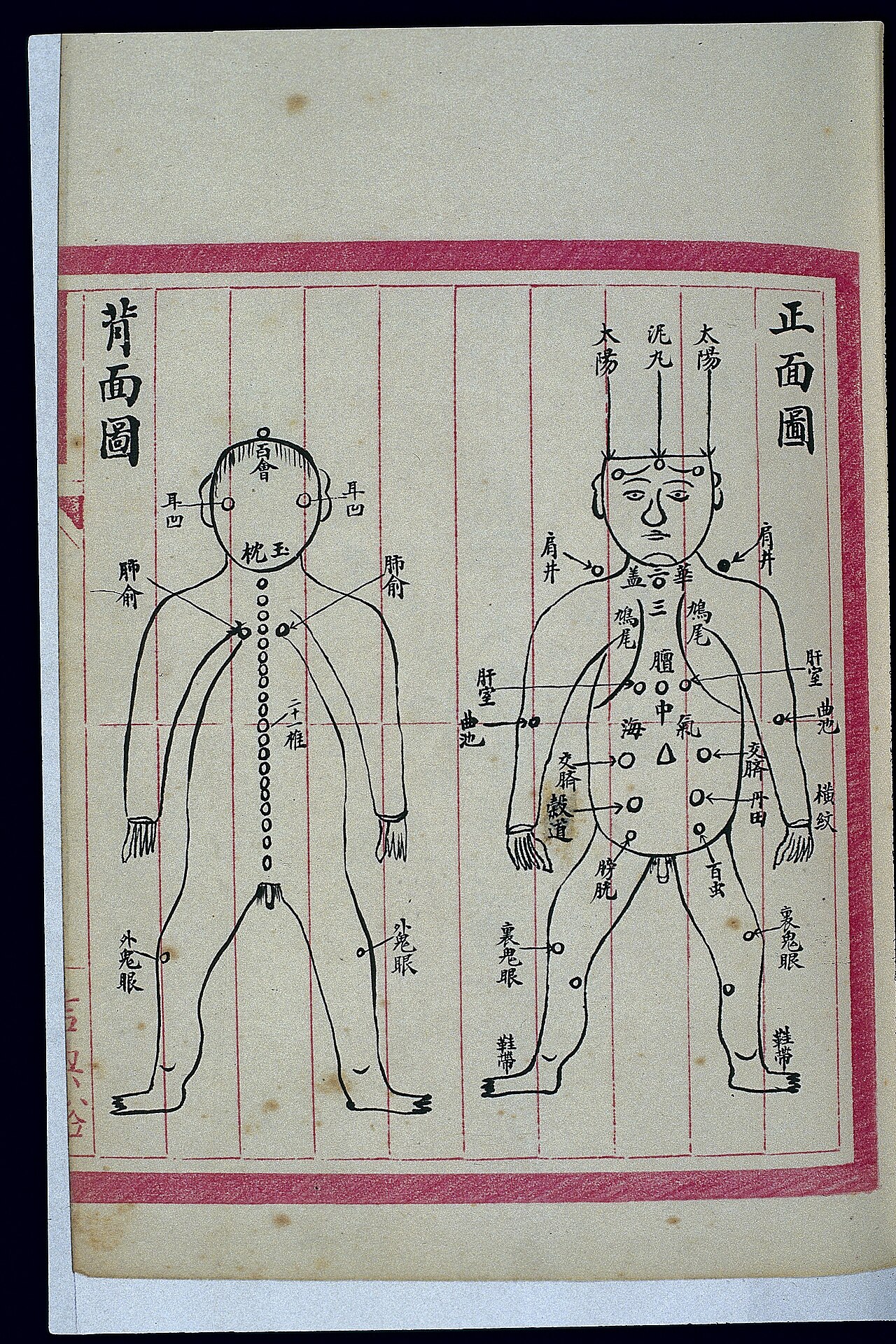
Qi flows through energy pathways (经络) — a network of channels that connect the organs to one another and to the body's surface.
- Main pathways: 12 meridians (6 yin and 6 yang)
- Extraordinary pathways: 8 meridians
- Acupuncture points: More than 360 points along these pathways
Causes of Qi disharmony
1. Qi deficiency (气虚)
Symptoms: Fatigue, weakness, low voice, spontaneous sweating, weakened immunity
Causes: Exhaustion, poor nutrition, aging, chronic illnesses
2. Qi stagnation (气滞)
Symptoms: Migratory pain, bloating, mood swings, sighing
Causes: Stress, anxiety, suppressed anger
3. Qi rebellion (气逆)
Symptoms: Cough, nausea, vomiting, dizziness
Causes: Disruption in the direction of normal flow
💡 Daily tip: Deep breathing (8 cycles per minute) regulates the flow of Qi. Practice it for 5 minutes in the morning and evening.