What is Traditional Chinese Medicine?
Traditional Chinese Medicine (中医) is a comprehensive medical system that originated in China more than 5,000 years ago. It does not treat symptoms only, but views the human being as a whole — body, mind, and spirit.
Core Principles
1. The Holistic View (整体观念)
Traditional Chinese Medicine sees the human being as an integrated unit. There is no separation between body and mind. Every organ is connected to the others, and every external influence affects the internal.
2. Diagnosis and Pattern Differentiation (辨证论治)
Instead of prescribing the same medicine for the same disease to every patient, the TCM doctor determines the "pattern" of the disease for each person. Two people with a headache may receive completely different treatments.
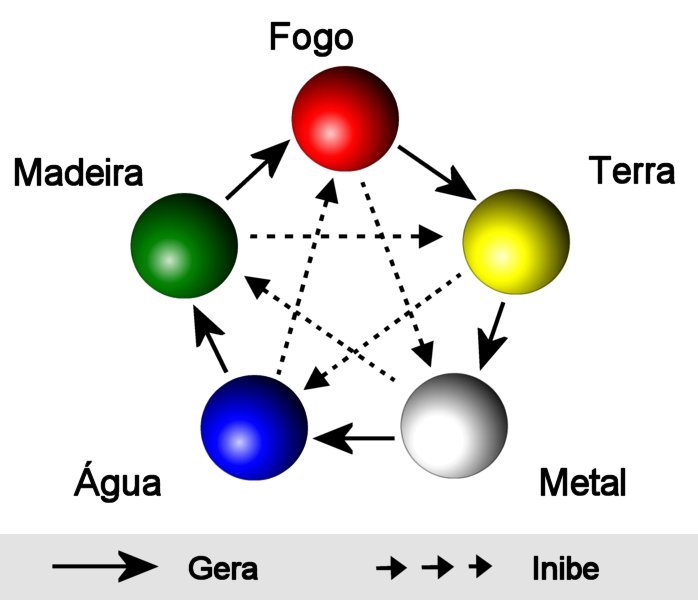
3. Balance Is Health (阴阳平衡)
Health = balance. Disease = imbalance. The goal is not to "kill" the disease, but to restore the body's natural balance.
How Does It Differ from Western Medicine?
| Aspect | Traditional Chinese Medicine | Western Medicine |
|---|---|---|
| View | Holistic | Reductionist |
| Focus | Prevention | Treatment |
| Diagnosis | Disease pattern | Disease name |
| Treatment | Individualized | Uniform |
| Goal | Energy balance | Elimination of disease |
The Five Branches of Traditional Chinese Medicine
- 1Herbs (中药) — Using plants and minerals to treat diseases
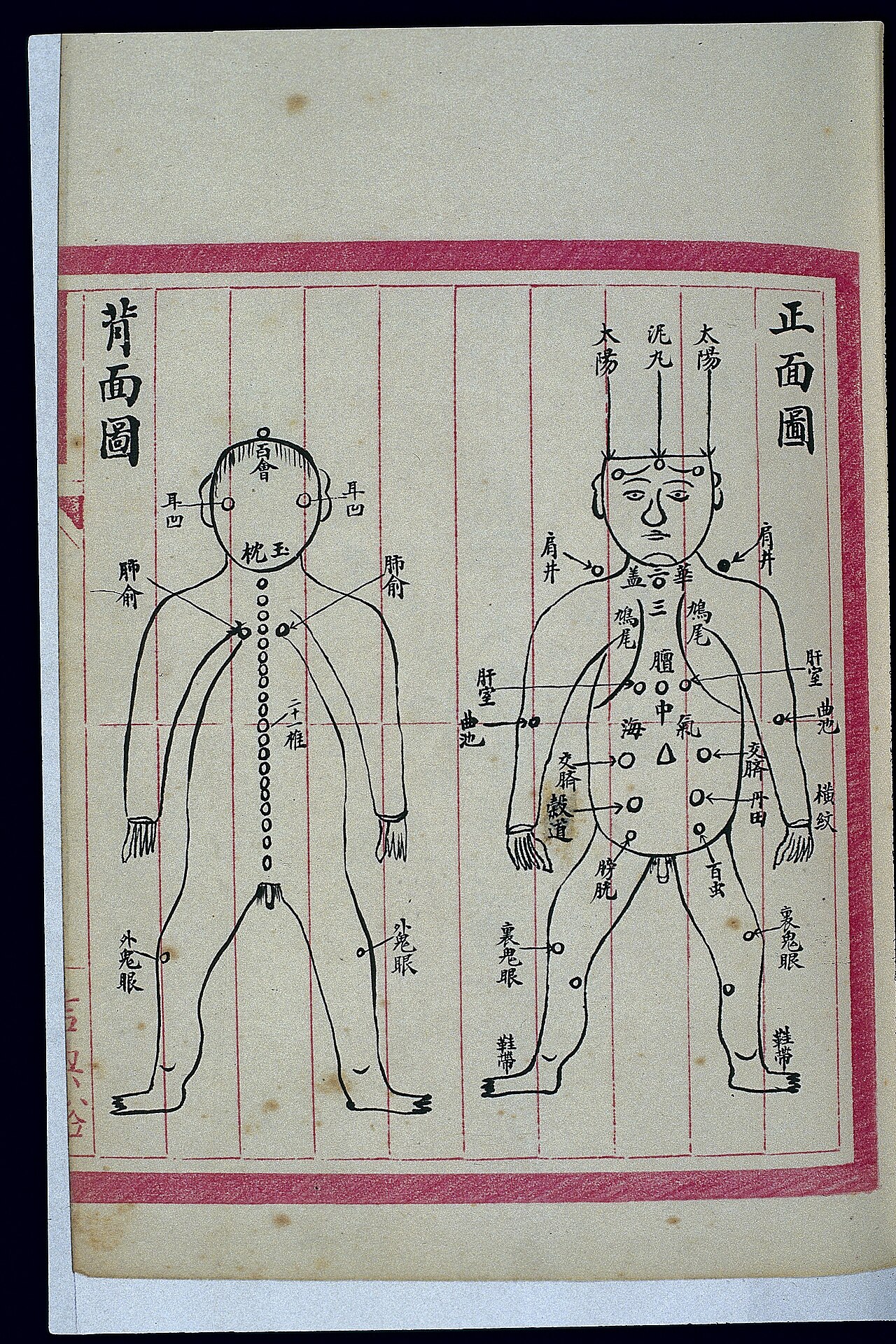
- 2Acupuncture (针灸) — Stimulating energy points on the body
- 3Massage (推拿) — Treatment through pressure and massage
- 4Food (食疗) — Food as medicine
- 5Exercise (气功) — Energy exercises such as Tai Chi and Baduanjin
💡 Important note: Traditional Chinese Medicine is not a substitute for Western medicine, but a complement to it. Both have strengths, and combining them gives the best results.