TCM on Insomnia: Sleep Is a Process of Gathering In
In Chinese medicine the day belongs to yang — activity — and the night to yin — stillness. Sleep happens when the active energy settles and is gathered inward, a classical idea expressed as "at night the yin governs." When nourishment is lacking, or the spirit is disturbed, the mind cannot settle: falling asleep becomes hard and sleep stays light and fragmented.
This guide is educational and does not replace medical evaluation. Chronic insomnia can be a symptom of an underlying medical or psychological condition.
Four Common TCM Patterns
Rather than treating every case the same, a practitioner distinguishes patterns by timing and accompanying signs.
| Pattern | How it presents | Core idea |
|---|---|---|
| Heart and spleen deficiency | Trouble sleeping with fatigue, overthinking, palpitations, poor appetite | Insufficient nourishment for the spirit |
| Liver qi constraint | Broken sleep after stress, many dreams, chest tightness, sighing | Stuck energy prevents stillness |
| Liver–kidney yin deficiency | Early waking, night heat, sweating, dryness | Yin cannot contain rising heat |
| Stomach disharmony (phlegm/food) | Restless sleep after a late heavy meal, belching, heaviness | "A disturbed stomach means a restless night" |
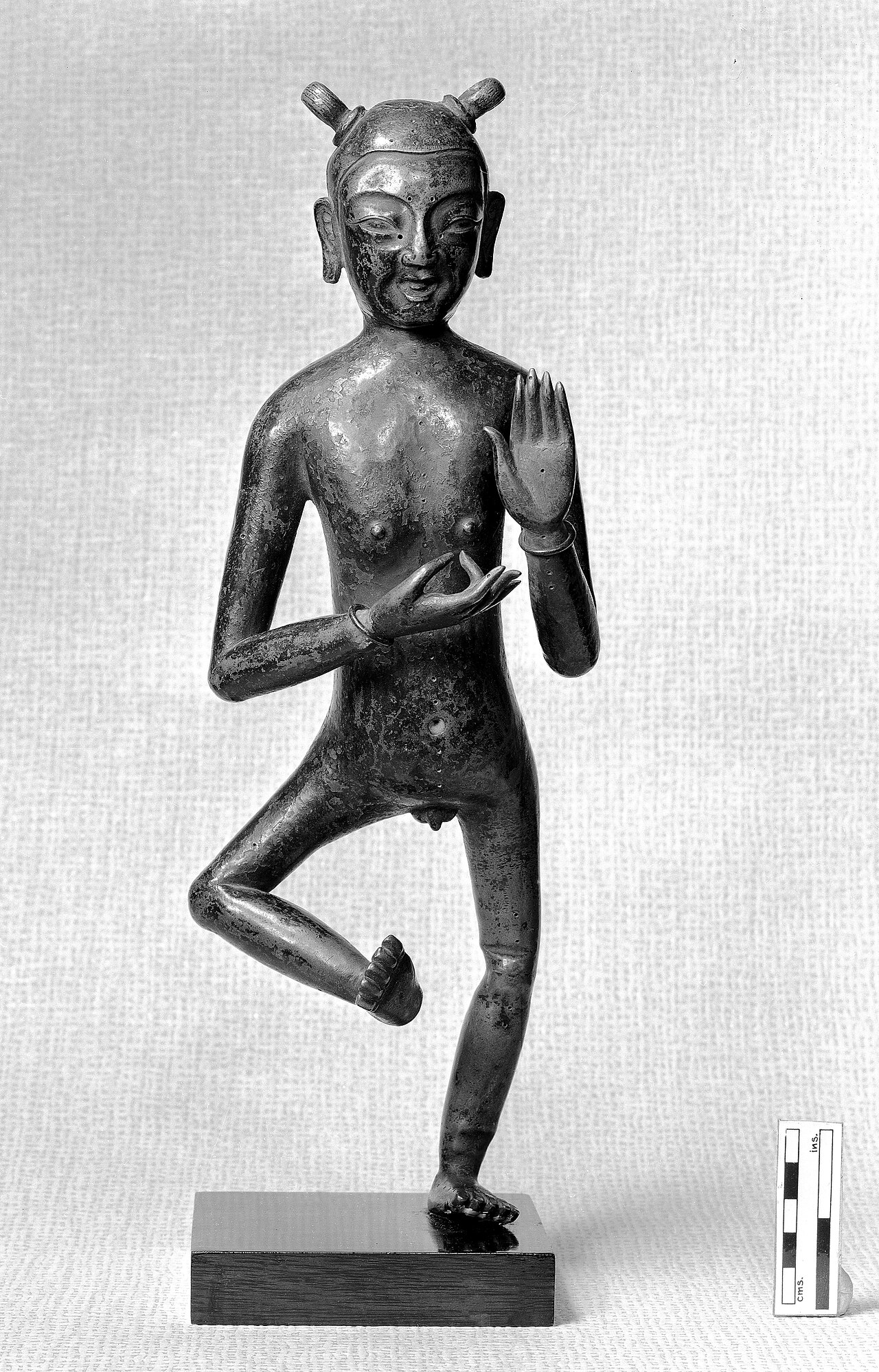
📖 Classical basis: The saying "when the stomach is in disharmony, sleep is unsettled" links the evening meal to sleep quality. Acupuncture classics name Shenmen (神门, HT7) as a key point for calming the spirit.
An Evening Routine Matters More Than a Sleeping Pill
- 1Keep a fixed schedule — go to bed and wake at similar times even on weekends to steady the body clock.
- 2Screens off one hour before bed — blue light keeps "yang" active; try paper reading or slow breathing instead.
- 3Don't eat a heavy, late dinner — leave at least three hours between dinner and sleep; limit strong tea and coffee after midday.
- 4Warm foot soak — soak the feet in warm (about 40 °C) water for 10–15 minutes to draw energy downward.
- 5Empty the mind on paper — write tomorrow's tasks down before bed to stop replaying them in the dark.
Foods Traditionally Used for Calm
These are gentle dietary ideas, not prescriptions:
- Millet and Chinese yam congee — a light, warm evening meal for overthinking and weak digestion.
- Lily bulb and lotus seed soup — traditionally used for irritability, dryness and light sleep.
- Suan zao ren (sour jujube seed) — a classic calming herb in old materia medica; use only under a qualified practitioner.
- Avoid at night: greasy or spicy food, overeating, chocolate and caffeinated drinks.
⚠️ Calming herbs are not "herbal sleeping pills" to take freely. Pregnant women, children, and anyone taking psychiatric or sedative medication should consult a qualified practitioner before using any active substance.
Three Acupressure Points You Can Press Yourself
Before bed, press each point gently but firmly with the thumb for about a minute, on both sides:
- 1Shenmen HT7 — the depression on the inner wrist on the little-finger side; calms the spirit and eases palpitations.
- 2Yongquan KI1 — in the hollow of the front third of the sole; rub it during a foot soak to draw energy downward.
- 3Anmian ("peaceful sleep", extra point) — in the groove behind the earlobe, between the jaw and neck muscles; massage in slow circles.
When Insomnia Is a Warning Sign
Seek prompt medical evaluation if insomnia is accompanied by any of the following:
- Chest pain, breathlessness, or distressing palpitations that prevent sleep.
- Thoughts of self-harm or deep hopelessness — this requires immediate professional help.
- Poor sleep for more than a month with clear decline in daytime function or mood.
- Loud snoring with witnessed pauses in breathing, or irresistible daytime sleepiness (possible sleep apnea).
- Drenching night sweats with weight loss or fever.
🩺 Practitioner's note: Insomnia is usually a symptom, not a standalone illness. The goal is to find and treat the cause rather than simply suppress it. Start with the evening routine; if it lasts beyond four weeks, seek professional help.
References
- 1TCM internal-medicine theory of gathering yang into yin at night
- 2Acupuncture classics — Shenmen (HT7) for calming the spirit
- 3Materia medica of food therapy — sour jujube seed, lily bulb, lotus seed
- 4WHO and sleep-medicine guidance on healthy sleep
- 5Complementary-medicine guidance combining behavioral sleep habits with TCM self-care
⚠️ Medical disclaimer: This is general education and does not replace professional diagnosis or treatment. Persistent insomnia or insomnia with warning signs warrants medical care.