Why Nourish the Lungs in Autumn?
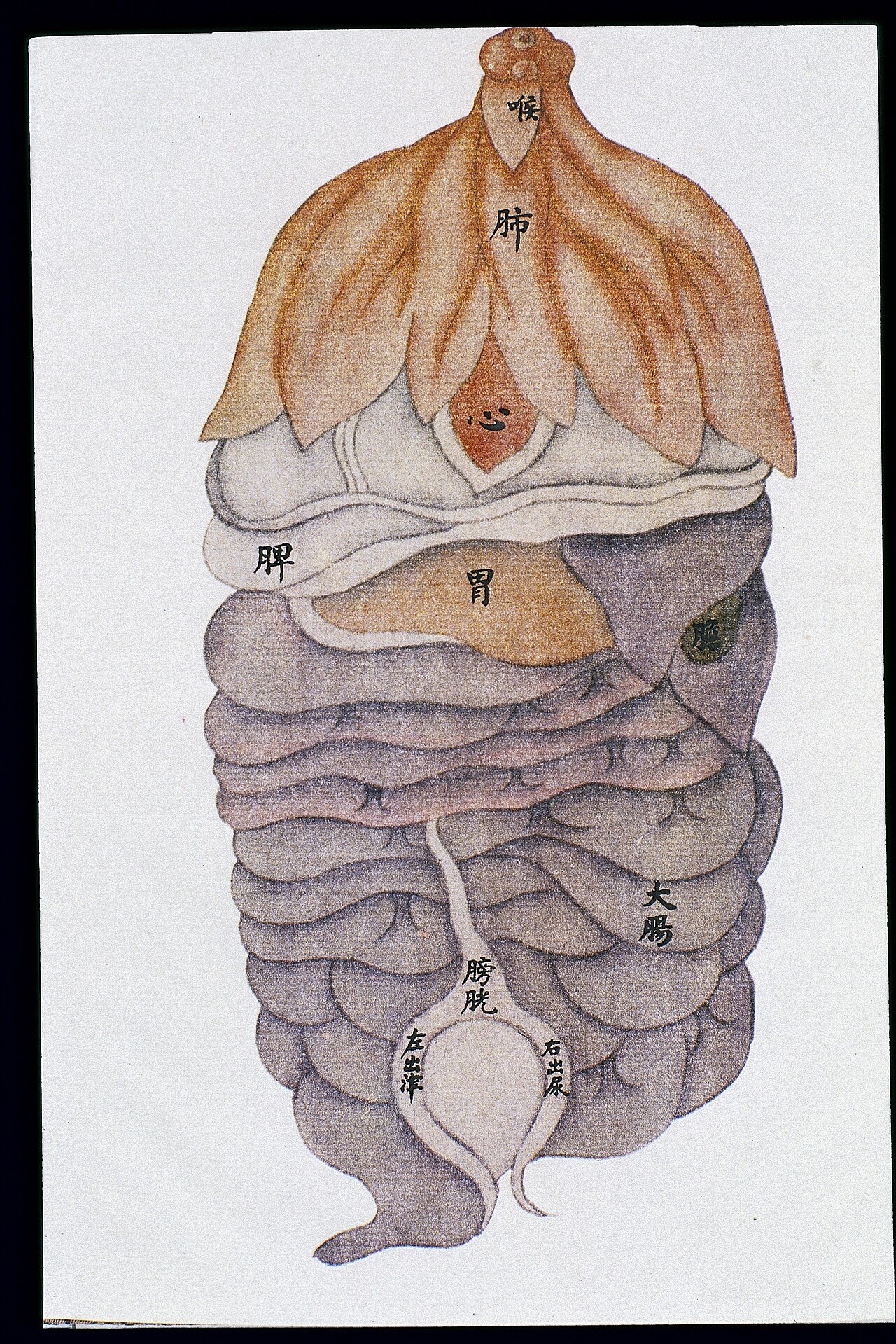
Chinese medicine maps the seasons to the organs. Autumn corresponds to the lungs, and its nature is dryness. As the air turns dry, many people develop a dry nose and throat, a dry cough, and chapped skin and lips — traditionally understood as dryness impairing the lung's moisture.
Autumn is also the season of gathering and harvest: the advice is to sleep a little earlier and shift from the cooling foods of summer toward moistening, warming foods. This is general educational content.
How "Autumn Dryness" Commonly Shows Up
| Sign | Traditional reading |
|---|---|
| Dry throat and nose, thirst | Dryness consumes body fluids |
| Dry cough with little or sticky phlegm | The lung loses moisture and cannot spread qi |
| Chapped skin and lips | The lung is said to "govern the skin and body hair" |
| Cold hands, catching things easily | The protective "defensive qi" at the surface weakens |
📖 Classical basis: An old classic describes autumn as a time to "lie down early and rise early, keeping the spirit calm and gathered," and recommends moistening rather than drying foods.
Food: Moisten from Within
- 1Steamed Asian pear — the best-known food for moistening the lung and soothing a dry autumn cough; eat it warm.
- 2White radish (daikon) soup — traditionally used in dry seasons to resolve phlegm and soothe the throat.
- 3Lily bulb and tremella soup — a gentle moistening dish for dry mouth and mild cough.
- 4Warm honey water (only for those over one year old) — soothing for the throat in the morning.
- 5Reduce: fried, spicy and strongly spiced "drying" foods, and don't keep eating ice as in summer.
⚠️ Honey is strictly forbidden for infants under one year. People with allergies, asthma or diabetes should adapt these suggestions with their doctor.
Daily Protection
- Humidify the room — use a humidifier or place water near a heater; dry air irritates the nose and throat.
- Drink in small, frequent amounts — don't wait until very thirsty; lukewarm rather than icy water.
- Breathe through the nose — the nose warms and moistens the air; chronic mouth-breathing at night deserves assessment.
- Protect the back of the neck and upper back — this area is considered especially vulnerable to cold; keep a light scarf handy.
- Wash hands and air the rooms — respiratory infections rise with the school year; basic hygiene works best.
Acupressure to Support Breathing
Press each point for a minute on both sides in the morning:
- 1Zhongfu LU1 — in the hollow below the outer collarbone, near the chest bone; supports the protective energy.
- 2Lieque LU7 — just above the wrist, reached where the index finger lands when crossing the hands at the thumb-webs; traditionally benefits the lung and opens the chest.
- 3Dazhui GV14 — in the hollow below the most prominent bone at the back of the neck when the head is bowed; keep it warm.
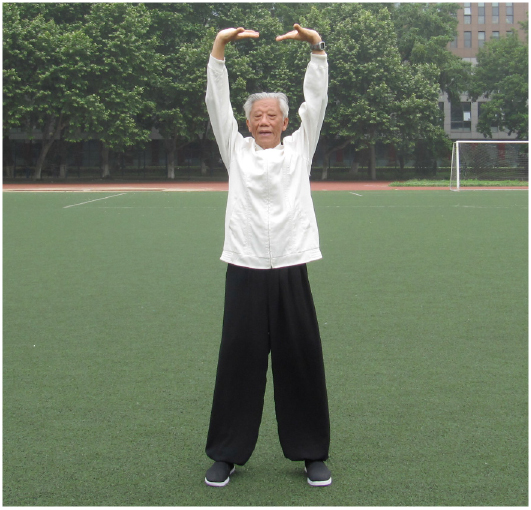
A simple breathing exercise: inhale slowly through the nose while opening the arms out to the sides as if "unfolding the lungs," then exhale gently through the mouth and let the arms drop. Repeat eight times in the morning.
When to See a Doctor
Mild autumn dryness often eases with moistening, but seek care immediately for:
- Shortness of breath, wheezing, or difficulty finishing a sentence.
- Coughing blood, or cough with chest pain.
- Fever with worsening cough, or abundant yellow/green phlegm.
- Confusion or blue lips.
- An asthma attack that does not respond to your usual reliever inhaler.
- Respiratory symptoms lasting 2–3 weeks without improvement.
🩺 Practitioner's note: Autumn lung care centers on moistening, protecting the upper back, and nasal breathing. These complement — they do not replace — medical care, especially for people with asthma or chronic heart or lung disease.
References
- 1TCM theory of the four seasons and organs — autumn corresponds to the lung and dryness
- 2Food-therapy classics — pear, white radish and lily bulb as lung-moistening foods
- 3Acupuncture classics — Zhongfu, Lieque and Dazhui as respiratory points
- 4WHO seasonal respiratory-health guidance
- 5Principles for preventing respiratory infections in adults and children
⚠️ Medical disclaimer: This is health education and does not replace medical diagnosis. Any breathing difficulty or acute asthma attack needs immediate medical help.