Exercise in Traditional Chinese Medicine
Traditional Chinese Medicine does not separate exercise from treatment. Every movement has a medical purpose. There are three main systems:
1. Baduanjin (八段锦) — Eight Pieces of Brocade
Level: Beginner — suitable for everyone
Duration: 10-15 minutes
Origin: Song Dynasty (960-1279 CE)
The Eight Movements:
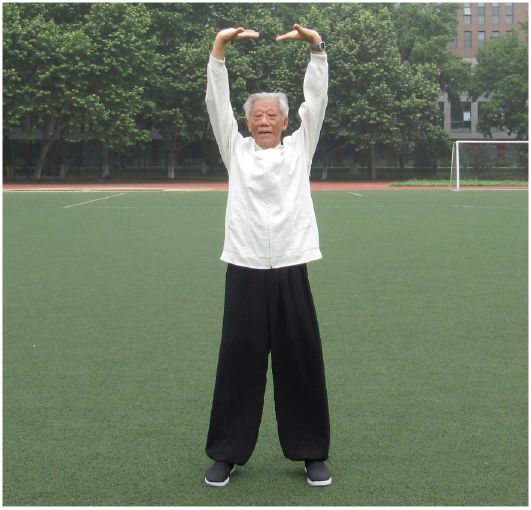
- 1两手托天理三焦 — Holding the sky to regulate the San Jiao
- 2左右开弓似射雕 — Drawing the bow like shooting an eagle (strengthens the lungs)
- 3调理脾胃须单举 — Raising the hand (spleen and stomach)
- 4五劳七伤往后瞧 — Looking backward (neck and back)
- 5摇头摆尾去心火 — Shaking the head and tail to remove heart fire
- 6两手攀足固肾腰 — Bending to the feet (strengthens the kidneys)
- 7攒拳怒目增气力 — Clenching fists with angry eyes (increases strength)
- 8背后七颠百病消 — Bouncing on the toes (comprehensive healing)
Main benefit: Comprehensive balance, improves qi circulation, strengthens immunity
2. Taijiquan (太极拳) — The Supreme Ultimate
Level: Intermediate/Advanced
Duration: 20-40 minutes
Origin: Chen family (1600 CE)
Characteristics:
- Slow, flowing movements like water
- Every movement is both defense and attack
- Breathing synchronized with movement
- Complete mental focus
- Continuous weight shifting
Benefits:
- Balance: Reduces falls in the elderly by 47%
- Heart: Lowers blood pressure
- Joints: Reduces knee and back pain
- Mind: Improves memory and concentration
- Breathing: Strengthens the lungs
Styles:
- Chen (陈) — Original, faster, powerful
- Yang (杨) — Most common, slow, soft
- Wu (吴) — Small movements, precise
- Sun (孙) — Light, quick
3. Qigong (气功) — Energy Exercises
Level: All levels
Duration: 10-30 minutes
Origin: 4000+ years
Main Types:
#### Medical Qigong (医疗气功)
- Goal: Treat specific illnesses
- Examples: Exercises for asthma, blood pressure, diabetes
#### Static Qigong (静功)
- Goal: Meditation and breathing
- Examples: Sitting quietly (Zhan Zhuang)
#### Dynamic Qigong (动功)
- Goal: Moving qi
- Examples: Wu Qin Xi (Five Animals)
#### Internal Qigong (内功)
- Goal: Developing internal energy
- Examples: Xiao Zhou Tian (Microcosmic Orbit)
Comparison
| Aspect | Baduanjin | Taiji | Qigong |
|---|---|---|---|
| Time | 10-15 min | 20-40 min | 10-30 min |
| Difficulty | Easy | Intermediate | Varies |
| Space | Small | Medium | Small |
| Benefit | Comprehensive | Balance/Heart | Energy/Healing |
| Beginner | ✅ Ideal | ⚠️ Training | ✅ |
| Elderly | ✅ | ✅ | ✅ |
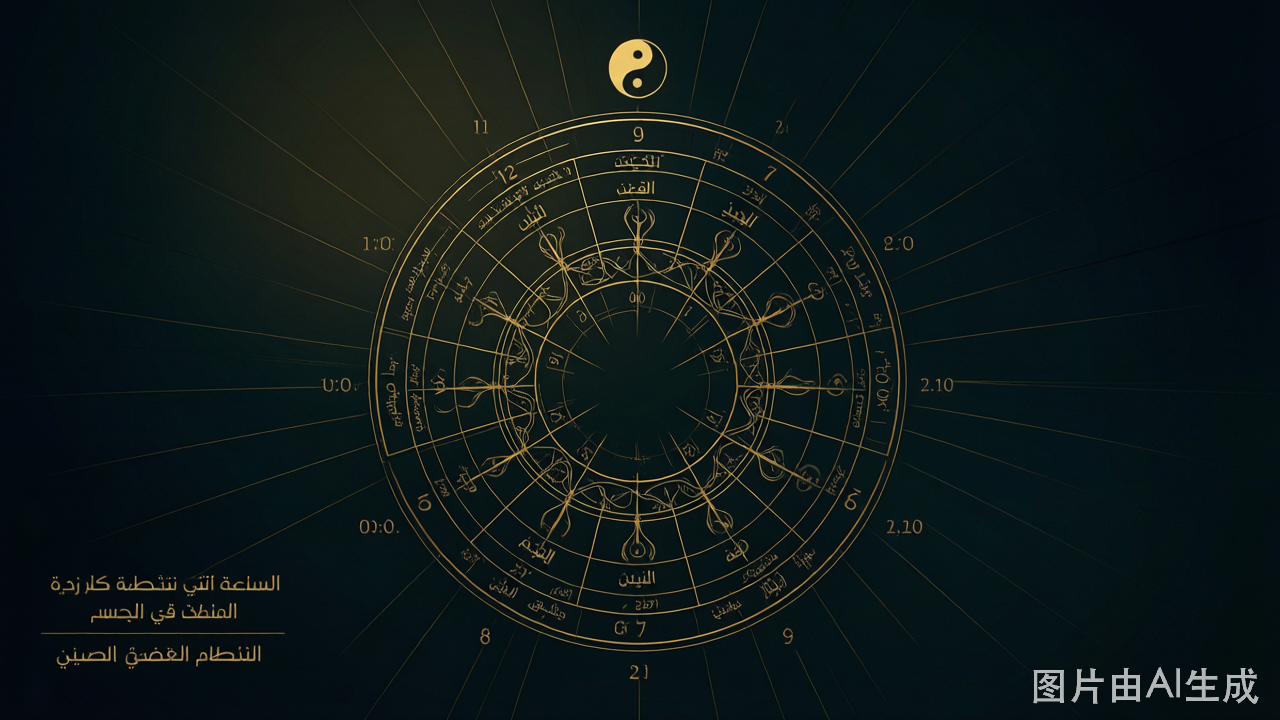
When to Practice?
🌅 Morning (5-7 AM)
- Best: Baduanjin or Qigong
- Reason: Morning qi is fresh, the body is rested
🌇 Evening (5-7 PM)
- Best: Taiji
- Reason: Releasing the day's tension, preparing for sleep
❌ Avoid
- Immediately after eating (wait one hour)
- In strong wind or extreme cold
- When you are very hungry or tired
🧘 Start simple: If you are a beginner, start with Baduanjin for 10 minutes in the morning. After two weeks, add breathing qigong. After a month, try Taiji. Progress gradually — don't jump ahead!