Supporting Dyspepsia with Chinese Herbs: A Traditional Chinese Medicine Guide
Dyspepsia (indigestion) is one of the most common complaints in the Arab world — an estimated 20–40% of adults experience it repeatedly. In traditional Chinese medicine (TCM), dyspepsia is not simply a "weak stomach" but a disturbance of the spleen–stomach system that affects the whole body. This article explains the Chinese medicine perspective and the herbs traditionally used.
Dyspepsia in Chinese Medicine
The Traditional Understanding
In Chinese medicine, digestion depends on "spleen qi" and "stomach qi." When the two are balanced, digestion is good; when they are disturbed, problems arise:
| Pattern | Distinctive symptoms | Traditional cause |
|---|---|---|
| Spleen qi deficiency | Bloating after meals, fatigue, loose stools | Irregular eating, stress |
| Liver qi stagnation | Bloating that worsens with stress, gas, irritability | Stress, psychological pressure |
| Damp-heat in the stomach | Heartburn, bad breath, constipation | Greasy/spicy food, alcohol |
| Stomach cold | Pain eased by warmth, nausea, vomiting | Cold food, excessive raw vegetables |
The most common patterns in the Arab region: liver qi stagnation plus spleen deficiency — associated with stress, eating quickly, and large meals.
Chinese Herbs for Digestion
Key Herbs
| Herb | Chinese name | Benefit | Best suited for |
|---|---|---|---|
| Fresh ginger | 生姜 (shēng jiāng) | Warms, moves qi, anti-nausea | All patterns |
| Peppermint | 薄荷 (bò he) | Cools, moves qi, soothes | Qi stagnation, heat |
| Fennel | 小茴香 (xiǎo huí xiāng) | Expels gas, soothes | Bloating, flatulence |
| Chamomile | 洋甘菊 (yáng gān jú) | Anti-inflammatory, calming | Irritation, stress |
| Liquorice | 甘草 (gān cǎo) | Soothes the mucous membrane | Heartburn, mild ulcers |
| Cardamom | 豆蔻 (dòu kòu) | Moves qi, expels gas | Bloating, poor appetite |
A Traditional Recipe: Ginger and Fennel Tea
Ingredients:
- 3 slices fresh ginger
- 1 teaspoon fennel seeds
- 1 teaspoon ground cardamom
- 2 cups water
Method:
- 1Rinse the ingredients
- 2Boil the water with the ginger and fennel seeds for 5 minutes
- 3Turn off the heat and add the cardamom
- 4Cover and leave to infuse for 5 minutes
- 5Strain and drink warm after meals
Use: 1–2 cups daily, especially after large meals.
Acupressure Points for Digestion
1. Zusanli (ST36)
Location: Below the knee, on the outer side of the lower leg
Benefit: The best-known point for strengthening digestion and immunity
Use: Press for 2–3 minutes every day
2. Qihai (CV6)
Location: Two finger-widths below the navel
Benefit: Strengthens spleen qi, relieves bloating
3. Neiguan (PC6)
Location: On the inner side of the forearm, three finger-widths above the wrist crease
Benefit: Relieves nausea, calms the stomach
4. Sanyinjiao (SP6)
Location: On the inner side of the lower leg, above the ankle
Benefit: Regulates digestion, relieves bloating
⚠️ Warning: Do not use during pregnancy
Diet for Digestion
The Golden Rules of Chinese Medicine
| Rule | Explanation |
|---|---|
| Eat warm, cooked food | Raw and cold vegetables burden the spleen |
| Small, frequent meals | Better than one large meal |
| Chew slowly | 20–30 chews per mouthful |
| Do not drink while eating | Liquids dilute the "digestive fire" |
| Stop before fullness | Eat until 80% full |
Beneficial Foods
| Food | Benefit | Notes |
|---|---|---|
| Boiled rice | Easy to digest, strengthens the spleen | A good breakfast |
| Warm soups | Warming, easy to digest | Vegetable or chicken |
| Cooked vegetables | Easier than raw | Carrot, pumpkin, sweet potato |
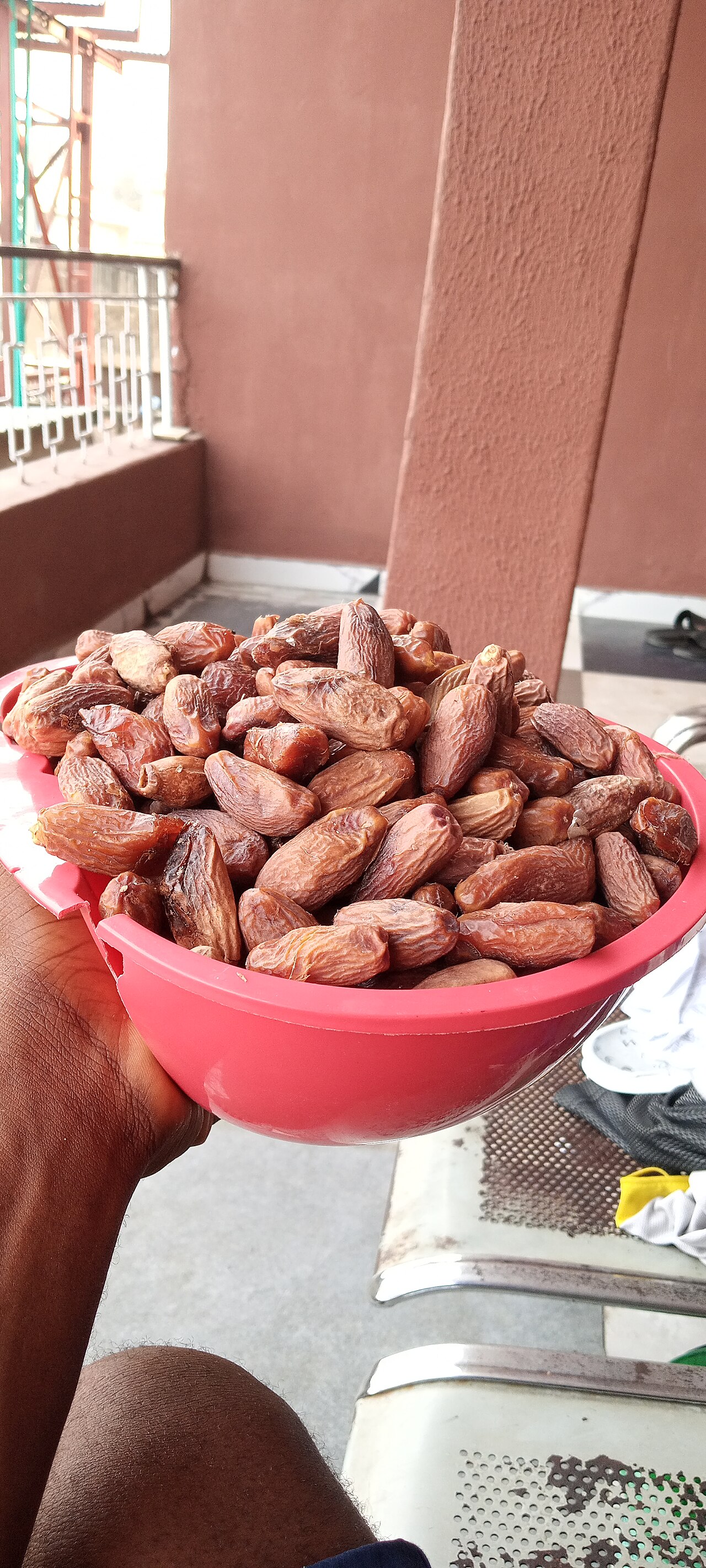
| Dates | Nourishing, quick energy | 2–3 pieces, no more |
| Honey | Soothing, antibacterial | One teaspoon in the morning |
Foods to Avoid
| ❌ Avoid | Reason |
|---|---|
| Fried and greasy foods | Burden the stomach, cause heartburn |
| Refined sugars | Cause bloating, alter the gut flora |
| Cold foods and iced drinks | Weaken the "digestive fire" |
| Large amounts of raw vegetables | Hard for some people to digest |
| Alcohol | Irritation, heartburn, damage to the mucous membrane |
When to See a Doctor Immediately
Do not use herbs in place of medication if:
- There is severe, unrelenting abdominal pain
- Persistent vomiting or blood in vomit occurs
- Stools are black or bloody
- There is unintentional weight loss
- There is difficulty swallowing
- Pain wakes you from sleep
These signs may indicate an ulcer, gastritis, or a more serious condition — they require immediate medical care.
Integration with Modern Treatment
What Herbs Can Do
- Relieve bloating and flatulence
- Soothe nausea and mild heartburn
- Improve digestion overall
- Support drug treatment for mild ulcers
What Herbs Cannot Do
- Treat active ulcers or bleeding
- Replace antacids for severe acidity
- Treat advanced gastroesophageal reflux
Frequently Asked Questions
Is ginger really helpful for nausea?
Yes — many studies show ginger is effective for nausea, particularly nausea in pregnancy, motion sickness, and post-operative nausea.
Can dyspepsia be overcome?
Functional dyspepsia (with no organic cause) may improve substantially with changes in eating habits and stress management. However, some cases require drug treatment.
How many weeks until I see results?
For improved bloating and gas: 1–2 weeks. For overall digestion: 2–4 weeks.
Are probiotics helpful?
Yes — beneficial gut bacteria are important for digestion. Choose a good-quality product, and consult your doctor if you are taking medication.
Sources
- 1Huangdi Neijing (Yellow Emperor's Inner Canon) — the foundation for understanding the "spleen and stomach"
- 2Piwei Lun (Treatise on the Spleen and Stomach) — Li Dongyuan (Li Gao), Yuan dynasty
- 3Study: "Ginger for nausea and vomiting" — British Journal of Anaesthesia (2000)
- 4Study: "Peppermint oil for IBS" — Journal of Clinical Gastroenterology (2014)
- 5World Health Organization — report on traditional medicine for digestive diseases
⚠️ Medical warning: This article is for educational purposes only. Dyspepsia may be a sign of a serious disease. If your symptoms are severe or persistent, consult a gastroenterologist. Do not stop your medication without medical advice.