Insomnia from a Traditional Chinese Medicine Perspective: Your Complete Guide
Insomnia (the inability to sleep) is a silent epidemic in the Arab world. In TCM, sleep is not simply "closing the eyes" — it is a complex process requiring the balance of yin and yang and a calm shen (mind/spirit). This article explains the different patterns of insomnia and how to approach them.
Sleep in TCM
Basic theory
At night, yang should enter yin — activity should settle. When this transition fails to happen, insomnia occurs. Main causes:
| Pattern | Difficulty falling asleep | Waking | Traditional cause |
|---|---|---|---|
| Heart fire | Difficulty falling asleep | — | anxiety, tension, racing thoughts |
| Liver blood deficiency | — | early waking (1–3 AM) | fatigue, overwork |
| Heart–spleen deficiency | light sleep | repeated waking | worry, excessive thinking |
| Phlegm heat | trouble falling asleep + nightmares | — | greasy/spicy food before bed |
| Kidney yin deficiency | — | waking 3–5 AM + night sweats | aging, chronic exhaustion |
Most common patterns in the Arab region: heart fire (stress) + phlegm heat (dietary habits).
Traditional Chinese Herbs for Sleep
Key herbs
| Herb | Chinese name | Use | Notes |
|---|---|---|---|
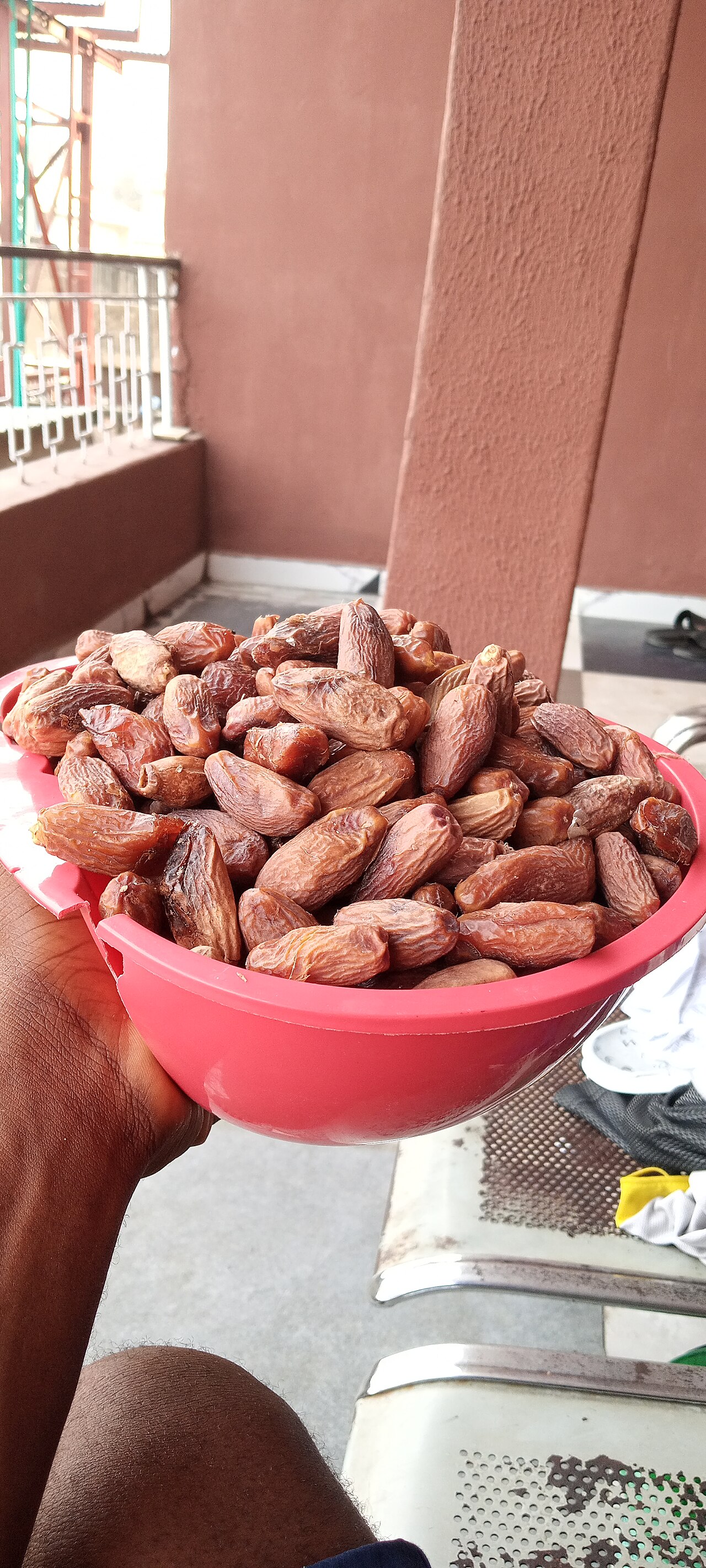
| Sour jujube seed (ziziphus) | 酸枣仁 (suān zǎo rén) | first choice for chronic insomnia | drunk as a tea before bed |
| Lavender | 薰衣草 (xūn yī cǎo) | calms, improves sleep quality | essential oil or tea |
| Chamomile | 洋甘菊 (yáng gān jú) | mild, safe sedative | suitable for children |
| Valerian | 缬草 (xié cǎo) | for severe insomnia | strong aroma, potent |
| Lemon balm | 香蜂草 (xiāng fēng cǎo) | soothes the nerves | pleasant taste |
Traditional recipe: Sour jujube seed and lavender tea
Ingredients:
- 1 tablespoon dried sour jujube seeds
- 1 teaspoon dried lavender
- 1 teaspoon chamomile
- 2 cups water
Method:
- 1Rinse the sour jujube seeds
- 2Boil the seeds in the water for 15 minutes
- 3Turn off the heat and add the lavender and chamomile
- 4Cover and steep for 10 minutes
- 5Strain and drink warm one hour before bed
Note: Sour jujube seeds are available in Chinese or Arab herb shops (as jujube/ziziphus).
Dietary Tips for Sleep
| ✅ Helps sleep | ❌ Blocks sleep |
|---|---|
| Banana (magnesium) | Caffeine after noon |
| Almonds (tryptophan) | Sweets at night |
| Warm milk | Greasy food before bed |
| Oats | Spicy seasonings |
| Honey (a little) | Alcohol |
The ideal TCM dinner
- Timing: At least 3 hours before bed
- Type: Light, warm, easy to digest
- Amount: Only 70% full
- Liquids: Minimal (to avoid waking for the bathroom)
A TCM Evening Routine
7–8 PM: The transition
- Turn off bright lights (light stimulates yang)
- Begin reducing mental activity
- Avoid agitating news and discussions
8–9 PM: Relaxation
- Take a warm (not hot) shower
- Read something calm (not a screen)
- Listen to Quran recitation or calming music
9–10 PM: Preparing for sleep
- Herbal tea (recipe above)
- Foot massage (point KI1 in the middle of the sole)
- Meditation or gentle prayer
10–11 PM: Sleep
- Room completely dark and cool
- No phones in bed
- Lie on your right side (the "Chinese sleep" posture)
Acupressure Points for Sleep
1. Spirit Gate (HT7 — Shenmen)
Location: On the wrist, in the hollow on the little-finger side.
Use: Press gently for 2–3 minutes before bed. Calms the mind and eases anxiety.
2. Peaceful Sleep (Anmian)
Location: Behind the ear, in the hollow between the base of the skull and the jaw.
Use: Press in circles for 1–2 minutes on each side. Supports deep sleep.
3. Gushing Spring (KI1 — Yongquan)
Location: In the middle of the sole, in the hollow formed when the foot is flexed.
Use: Press with your thumb for 2–3 minutes on each foot. Draws energy down from the head to the feet.
When to See a Doctor
Do not use herbs instead of seeing a doctor if:
- Insomnia lasts more than a month
- You are extremely sleepy during the day
- You stop breathing during sleep (loud snoring + pauses)
- You have used sleeping pills for more than two weeks
- You have suicidal thoughts or severe depression
FAQ
Is drinking milk before bed really helpful?
In TCM, yes — warm (not cold) milk is considered calming. From a scientific standpoint, however, the evidence is mixed. Some people's sleep improves, and some people's does not.
Why do I wake at 3 AM every night?
In TCM, 3–5 AM is the lung's time. Repeated waking in this window may point to suppressed grief or respiratory problems. Try deep-breathing techniques before bed.
Are naps allowed?
In TCM, a 20–30 minute nap in the early afternoon (1–3 PM) is beneficial. Long or late naps, however, harm nighttime sleep.
How many weeks do I need to improve my sleep?
With a consistent routine and herbs: 2–4 weeks for noticeable improvement. Chronic insomnia may take 3–6 months.
Sources
- 1Huangdi Neijing (Yellow Emperor's Inner Canon) — the foundation of sleep theory
- 2Leizheng Zhicai (Treatment of Categorized Patterns) — Lin Peiqin
- 3Study: "Suanzaoren decoction for insomnia" — Journal of Ethnopharmacology (2017)
- 4WHO guidelines on traditional medicine for sleep disorders
⚠️ Notice: This article is for educational purposes only. Insomnia can be a symptom of another health problem. If insomnia lasts more than two weeks or affects your daily life, consult your doctor.