The TCM Constitution Test: Your Complete Guide to the Nine Body Constitutions
In traditional Chinese medicine (TCM), no two people are alike. Everyone has a "constitution" (Tizhi, 体质) — an inborn physical and psychological nature that shapes how you become ill and how you recover. The TCM constitution test is a traditional assessment tool that helps you understand your body more deeply.
What Is the TCM Constitution?
Theoretical basis
Constitution (Tizhi) is the inborn combination of:
- Body: build, strength, immunity
- Mind: mood, response to stress
- Energy: activity level, stamina
In TCM, illness is not merely an "external attack" — it is an interaction between the external factor and your internal constitution. Two people are exposed to the same virus: one falls seriously ill while the other feels nothing. The difference? Constitution.
The nine types
| No. | Type | Chinese name | Key trait |
|---|---|---|---|
| 1 | Balanced | 平和质 (Píng hé zhì) | good health, rare |
| 2 | Qi deficiency | 气虚质 (Qì xū zhì) | fatigue, sweating, frequent colds |
| 3 | Yang deficiency | 阳虚质 (Yáng xū zhì) | coldness, sluggishness, cold limbs |
| 4 | Yin deficiency | 阴虚质 (Yīn xū zhì) | internal heat, insomnia, dryness |
| 5 | Phlegm-damp | 痰湿质 (Tán shī zhì) | heaviness, bloating, lethargy |
| 6 | Damp-heat | 湿热质 (Shī rè zhì) | acne, bad breath, irritability |
| 7 | Blood stasis | 血瘀质 (Xuè yū zhì) | fixed pain, easy bruising |
| 8 | Qi stagnation | 气郁质 (Qì yù zhì) | low mood, sensitivity, tension |
| 9 | Special/inherited | 特禀质 (Tè bǐng zhì) | allergies, skin conditions |
Most people are a mix of two or three types — one primary and the others secondary.
How Do You Find Your Constitution?
The traditional assessment
In China, practitioners use a 60–90 item questionnaire covering:
- Physical symptoms (sleep, digestion, energy)
- Preferences (weather, food, colors)
- Mood and psychological responses
Core questions (short version)
1. Do you tire easily even without exertion?
- Yes → possible qi deficiency
2. Do you prefer warm weather and feel cold easily?
- Yes → possible yang deficiency
3. Do you feel internal heat and get thirsty often?
- Yes → possible yin deficiency
4. Is your body heavy and bloated, especially in the morning?
- Yes → possible phlegm-damp
5. Is your skin oily with recurrent acne?
- Yes → possible damp-heat
6. Do you have pain fixed in one place?
- Yes → possible blood stasis
7. Are you emotionally sensitive and easily low in mood?
- Yes → possible qi stagnation
8. Do you have frequent food or skin allergies?
- Yes → possible special/inherited type
The full online test
For an accurate result, try the TCM constitution test on our platform — 60 questions, completely free:
🔗 TCM Constitution Test — TCMHub
What to Do Once You Know Your Constitution?
General guidance for each type
| Type | Suitable foods | Suitable activities |
|---|---|---|
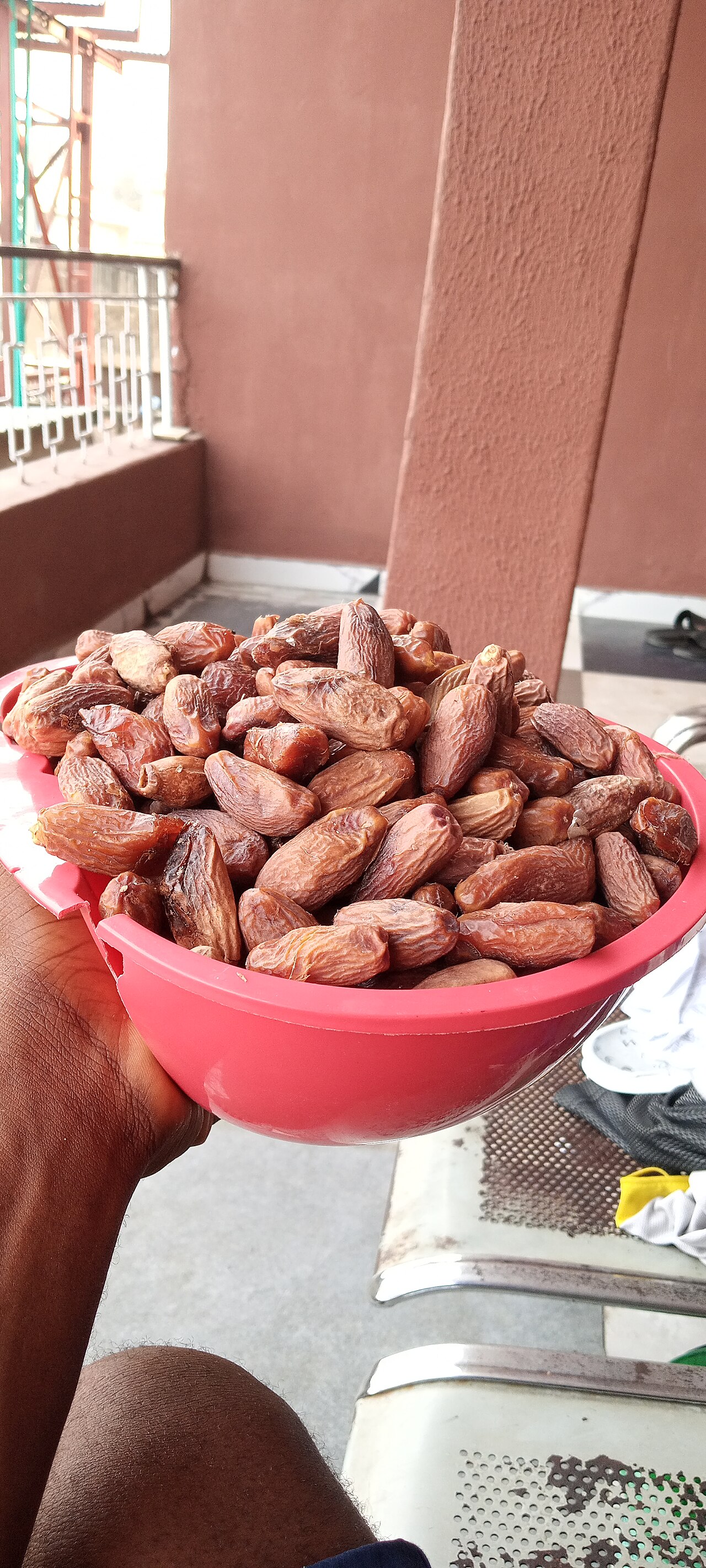
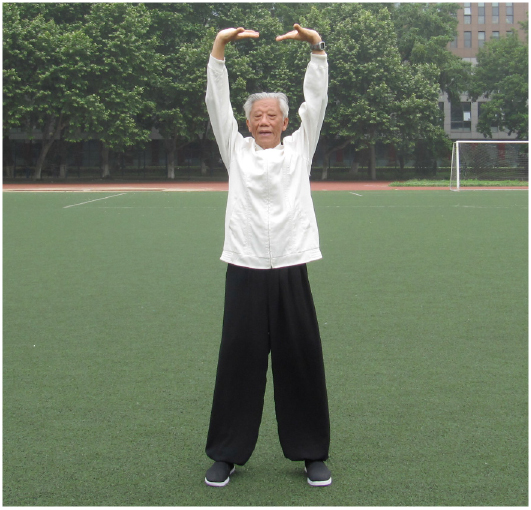
| Qi deficiency | rice, chicken, jujube (dates) | gentle walking, tai chi |
| Yang deficiency | lamb, ginger, cinnamon | moderate exercise, keep warm |
| Yin deficiency | pear, fish, black sesame | yoga, swimming, avoid heat |
| Phlegm-damp | barley, red beans | vigorous exercise, limit sweets |
| Damp-heat | cucumber, mint, green tea | swimming, avoid greasy and spicy food |
| Blood stasis | grapes, turmeric, dark chocolate | dancing, dynamic exercise |
| Qi stagnation | rose, bergamot, honey | meditation, art, socializing |
| Special/inherited | depends on the allergy | depends on ability |
Herbal support
Each constitution has herbs that may suit it:
- Qi deficiency: ginseng, astragalus
- Yang deficiency: cinnamon, dried ginger
- Yin deficiency: goji berry, Solomon's seal
- Phlegm-damp: bitter orange, black beans
- Damp-heat: dandelion, horsetail
- Blood stasis: safflower, turmeric
- Qi stagnation: rose, jasmine
- Special/inherited: depends on the individual case
⚠️ Important: Do not take herbs based only on your constitution without professional advice. Herbs are potent and may be harmful if taken incorrectly.
Limits of the Test
What the test is not
- It is not a medical diagnosis
- It is not a replacement for a clinical examination
- It does not identify specific diseases
- It is not an exact science — it is a traditional guidance tool
What the test is
- A tool for self-awareness of your body
- A guide for lifestyle choices
- A basis for discussion with a TCM practitioner
- A way to understand why you tend to become ill in a certain way
FAQ
Is constitution fixed or does it change?
The core constitution is relatively stable (inherited), but it can shift with:
- Age (older adults tend toward yang deficiency)
- Lifestyle (chronic stress may lead to qi stagnation)
- Climate (living in a hot place may shift you toward damp-heat)
I am a mix of two types — which one do I follow?
Start with the primary type (the one with the most symptoms), then address the secondary one. Most people are about 70% one type and 30% another.
Can I have a "bad" constitution?
There is no "bad" constitution — only constitutions needing different care. Even the balanced constitution (the rarest) needs maintenance. The goal is not to change your constitution but to understand it and work with it.
How often should I retake the test?
Every 6–12 months, or after a major change in lifestyle (moving, job change, pregnancy).
Sources
- 1Huangdi Neijing (Yellow Emperor's Inner Canon) — the foundation of constitution theory
- 2Zhongyi Tizhi Xue (TCM Constitution Studies) — Wang Qi, the modern founder of the field
- 3World Health Organization — diagnostic standards in traditional medicine (2022)
- 4Study: "Constitution of traditional Chinese medicine and related factors" — Journal of Traditional Chinese Medicine (2018)
⚠️ Notice: The constitution test is a traditional health-education tool, not a medical diagnosis. Do not use it to diagnose or treat any health condition. For health problems, consult your doctor.