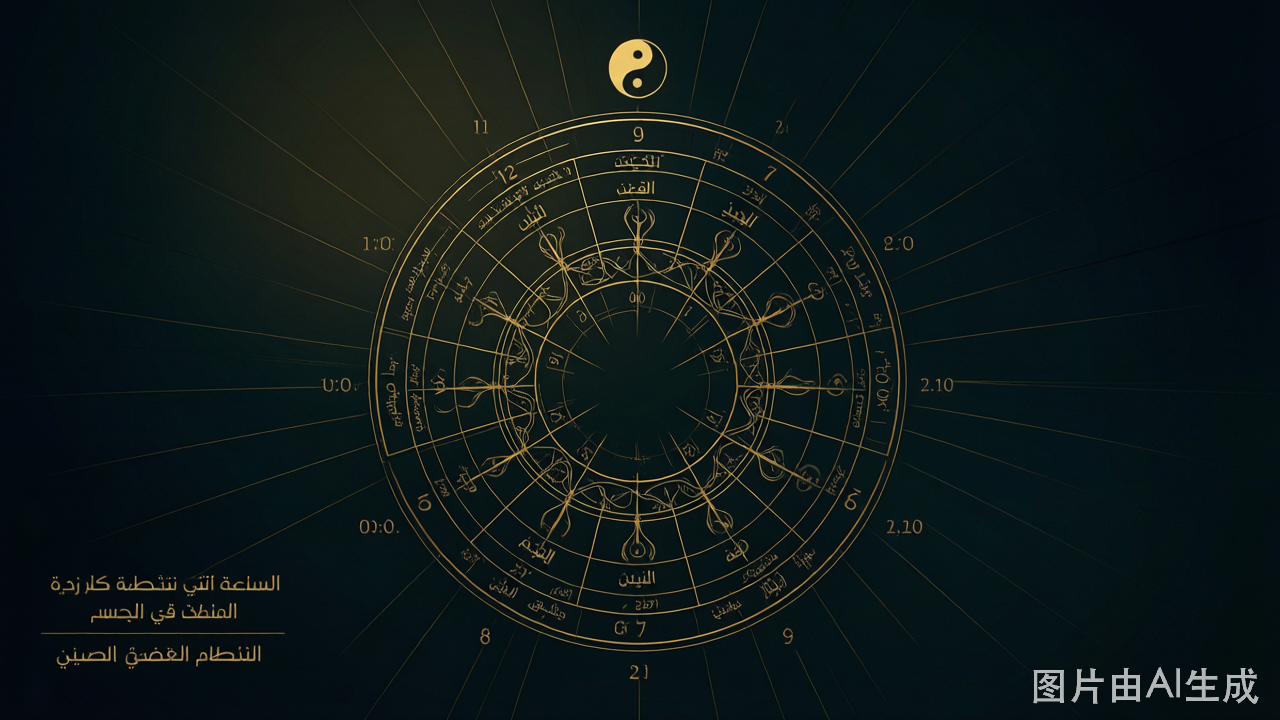
The Chinese Biological Clock: Sleep According to Your Internal Organ Clock
The Chinese Organ Clock
Chinese doctors have long known that the body follows an internal schedule — every two hours an organ becomes active while its counterpart rests. Healthy sleep means "riding the clock," not fighting it.
The Night Schedule (Most Important for Sleep)
| Time | Organ | What Happens | What to Do |
| ------ | ------- | -------------- | ------------ |
| 9-11 PM | 三焦 San Jiao (Triple Burner) | The body prepares for sleep | Dim lighting, no screens |
| 11-1 AM | 胆 Gallbladder | The beginning of deep regeneration | Sleep now — don't miss it |
| 1-3 AM | 肝 Liver | Blood storage and detoxification | Deep sleep protects the liver |
| 3-5 AM | 肺 Lungs | Distribution of energy | Deep breathing, quiet sleep |
| 5-7 AM | 大肠 Large Intestine | Natural elimination | Wake with the sun, drink warm water |
Three Golden Rules
1. Sleep before midnight: Sleep hours before 12 AM count double — liver regeneration depends on them.
2. Wake with the sun: Your body is designed to align with daylight — waking up late disrupts your morning energy.
3. Midday nap (11-1 PM): The peak of the Heart — a 15-30 minute nap protects the heart and restores vitality. Even closing your eyes helps.
Woke up at 3 AM?
Waking repeatedly at a specific time tells you which organ is tired:
- 11-1: Anxiety from a long day — massage between the eyebrows
- 1-3: A burdened liver (suppressed anger or heavy food) — a light soup for dinner
- 3-5: Sadness or a feeling of suffocation — deep breathing exercises
- 5-7: Your body is ready for the new day — don't resist it
A Practical Plan for Tonight
- 1. Set a "preparation" alarm one hour before bed
- 2. Charge your phone outside the room — not next to your head
- 3. Chamomile or chrysanthemum tea after the afternoon (not at night)
- 4. A cool, completely dark room — Yin loves the dark