History of Chinese Medicine
Chinese medicine is not a rigid theory — rather, it is an accumulation of 5,000 years of observation, experimentation, and documentation.
Major Eras
🏛️ The Mythical Era (3000 BCE)
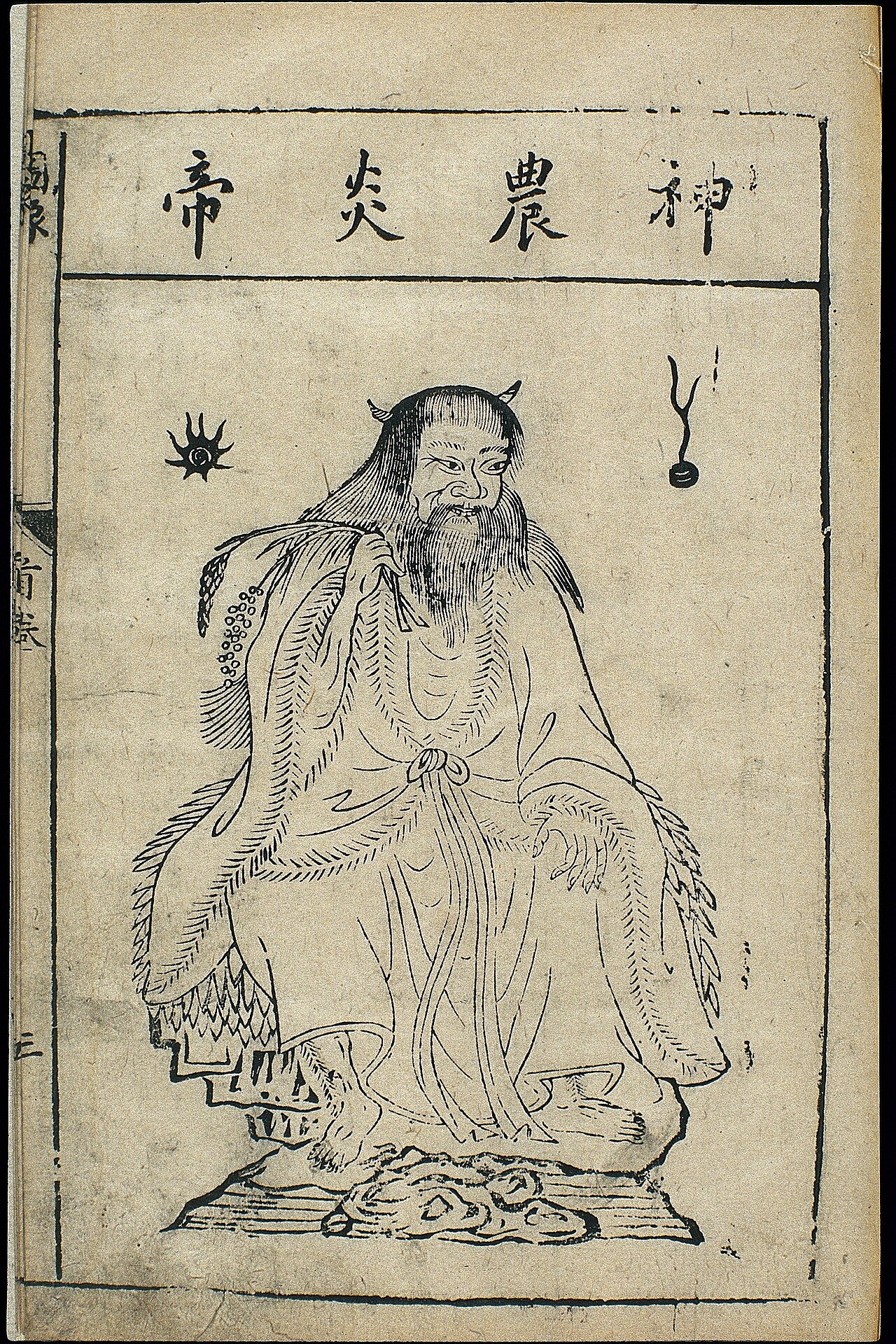
Shennong (神农) — "The Divine Farmer"
- Tasted 100 herbs to discover their properties
- Taught people agriculture and medicine
- Considered the founder of Chinese herbalism
📜 Shang Dynasty (1600-1046 BCE)
- First written records on oracle bones
- Diagnosis of diseases by symptoms
- Use of herbs and needles
🏯 Zhou Dynasty (1046-256 BCE)
The Yellow Emperor (黄帝)
- The "Huangdi Neijing" (黄帝内经) — the most sacred book in Chinese medicine
- Established the theories of Yin and Yang, the Five Elements, and the meridians
- Still the foundation of Chinese medical education today
🌟 Han Dynasty (206 BCE - 220 CE) — The Golden Age
Bian Que (扁鹊) — "The Greatest Physician"
- Founder of the four diagnostic methods
- The famous story of "Huang Tiza" (early diagnosis)
- He said: "An excellent physician treats the disease before it appears"
Zhang Zhongjing (张仲景) — "The Father of Clinical Medicine"
- The book "Shanghan Lun" (伤寒论) — on cold-induced diseases
- Established the principle of "differentiation and treatment" (辨证论治)
- 300+ formulas still in use today
Hua Tuo (华佗) — "The Greatest Surgeon"
- First anesthesia in history (Mafeisan)
- Inventor of Wu Qin Xi (五禽戏, Five Animal Frolics)
- Assassinated because he wanted to open the emperor's skull
📚 Tang Dynasty (618-907 CE)
Sun Simiao (孙思邈) — "The King of Herbs"
- The book "Qianjin Yaofang" (千金要方) — 30 volumes, 5,000 formulas
- First code of medical conduct (medical ethics)
- Lived 101 years (or 141 according to some sources)
Wang Shuhe (王叔和)
- The book "Maijing" (脉经) — the first book specializing in the pulse
- Classified 24 types of pulse
🏮 Song Dynasty (960-1279 CE)
- First government medical college
- First medical examinations
- Invention of the printing press → spread of medical books
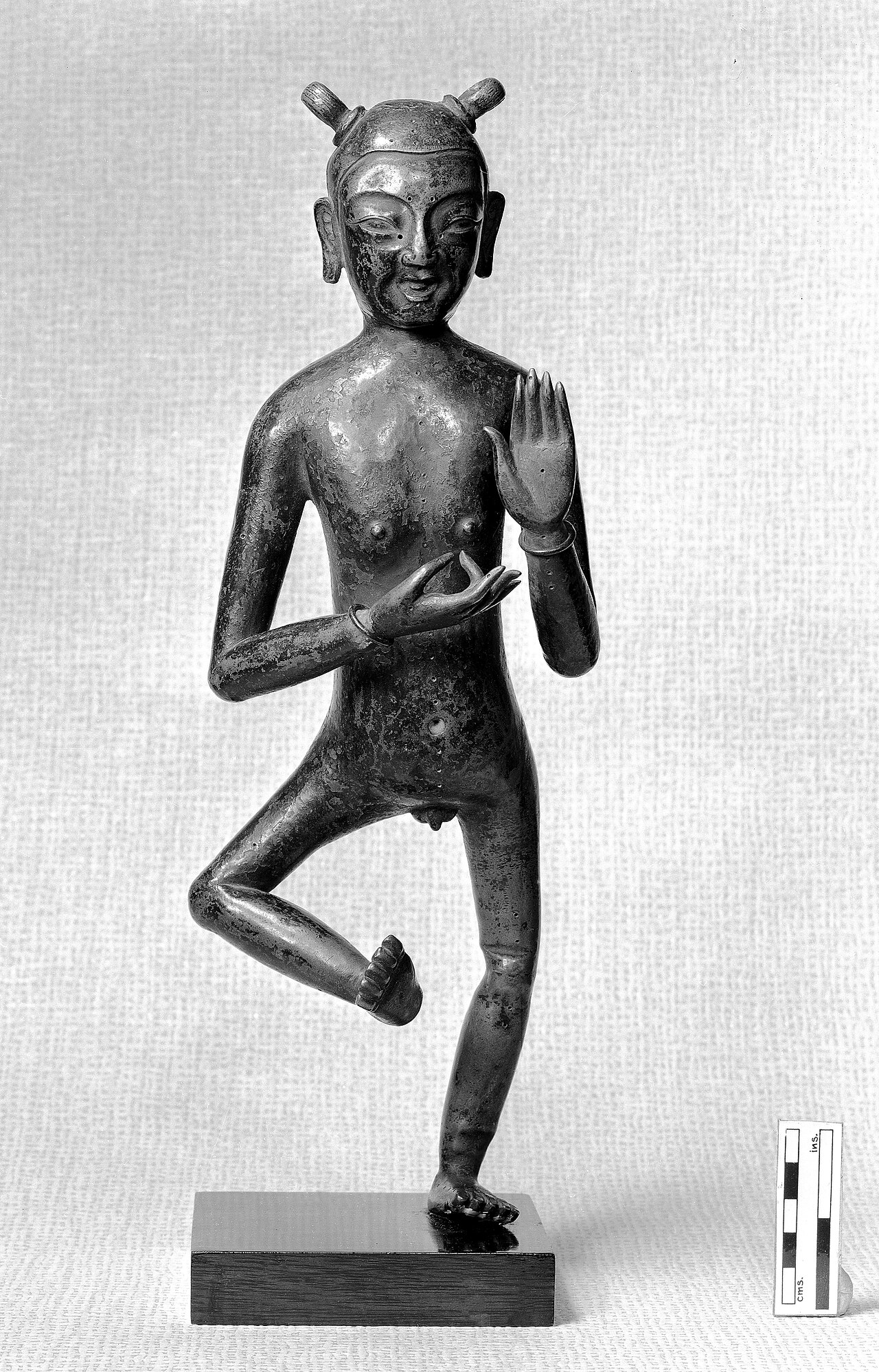
- Standardization of bronze acupuncture points
🎭 Ming Dynasty (1368-1644 CE)
Li Shizhen (李时珍)
- The book "Bencao Gangmu" (本草纲目) — 52 volumes, 1,892 herbs
- Took 27 years to compile
- Still the premier herbal reference worldwide
Wu Youxing (吴有性)
- First to describe infectious diseases (epidemics)
- The theory of "epidemic qi" (戾气)
🌍 The Modern Era (1850 - Today)
- 1822: Emperor Daoguang abolishes the acupuncture department from the college
- 1929: Attempt to abolish Chinese medicine (failed)
- 1950: Mao Zedong revives Chinese medicine
- 1972: Nixon visits China → the world discovers acupuncture
- 2015: Tu Youyou wins the Nobel Prize for treating malaria with an extract from a Chinese herb
The Four Classic Books
- 1Huangdi Neijing (黄帝内经) — The theoretical foundation
- 2Shanghan Lun (伤寒论) — The clinical foundation
- 3Bencao Gangmu (本草纲目) — The herbal reference
- 4Wenbing Tiaobian (温病条辨) — Warm-induced diseases
📖 Knowledge: Chinese medicine succeeded because it adapted rather than froze. Each generation added new experience without demolishing the old. This balance between authenticity and renewal is the secret of its survival for 5,000 years.